


 Explore the Royal Palace





Campania Mirabilis
For a Contemporary Photography Archive on the Cultural Heritage and Landscape in Campania at the Royal Palace of Caserta

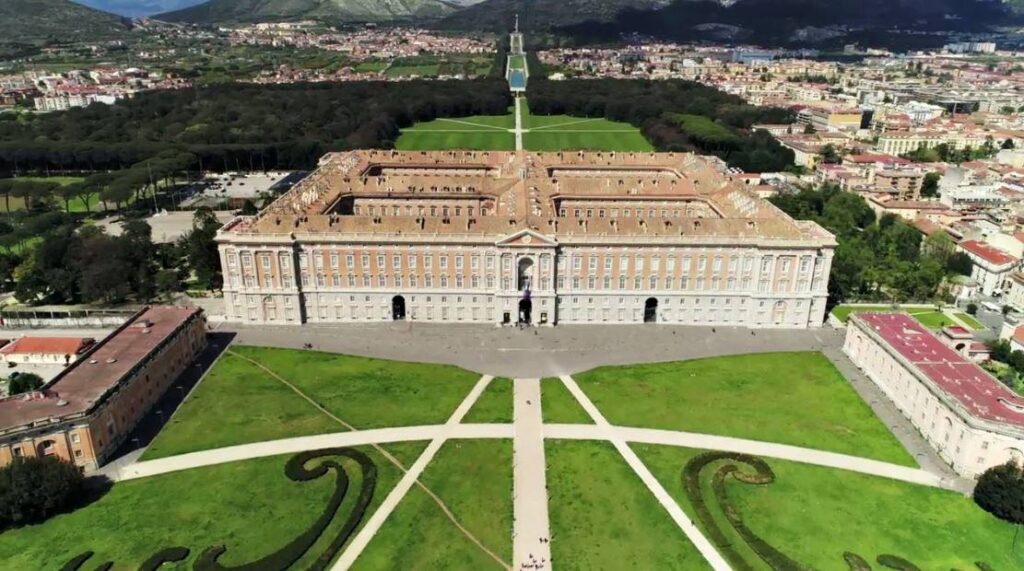
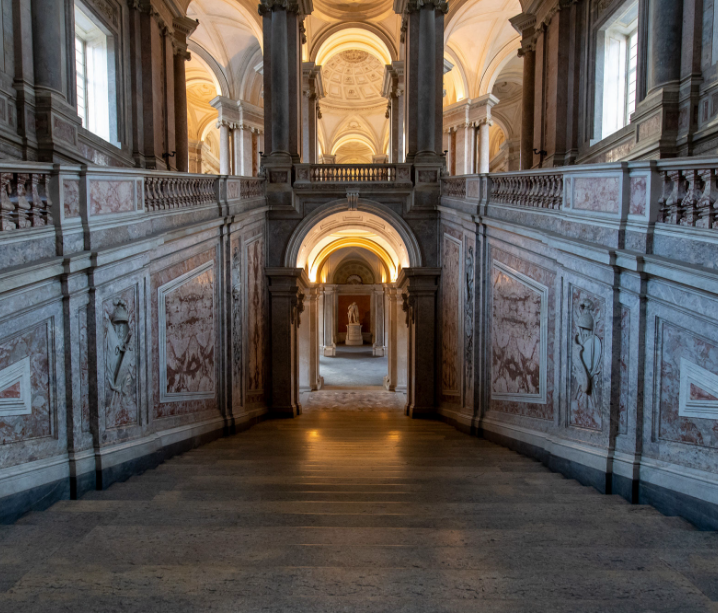
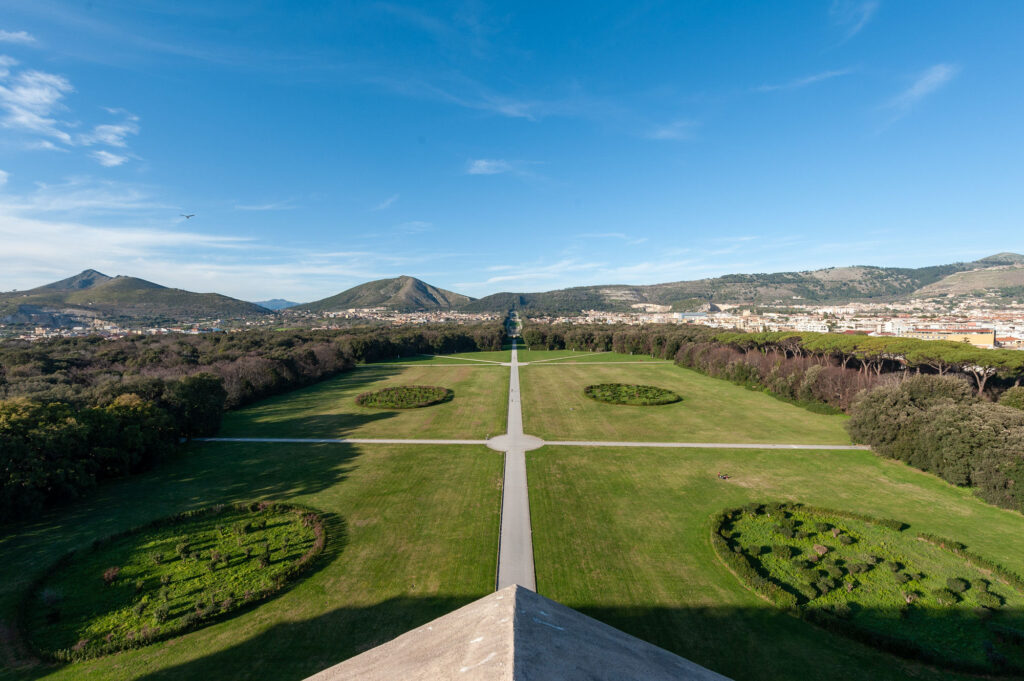
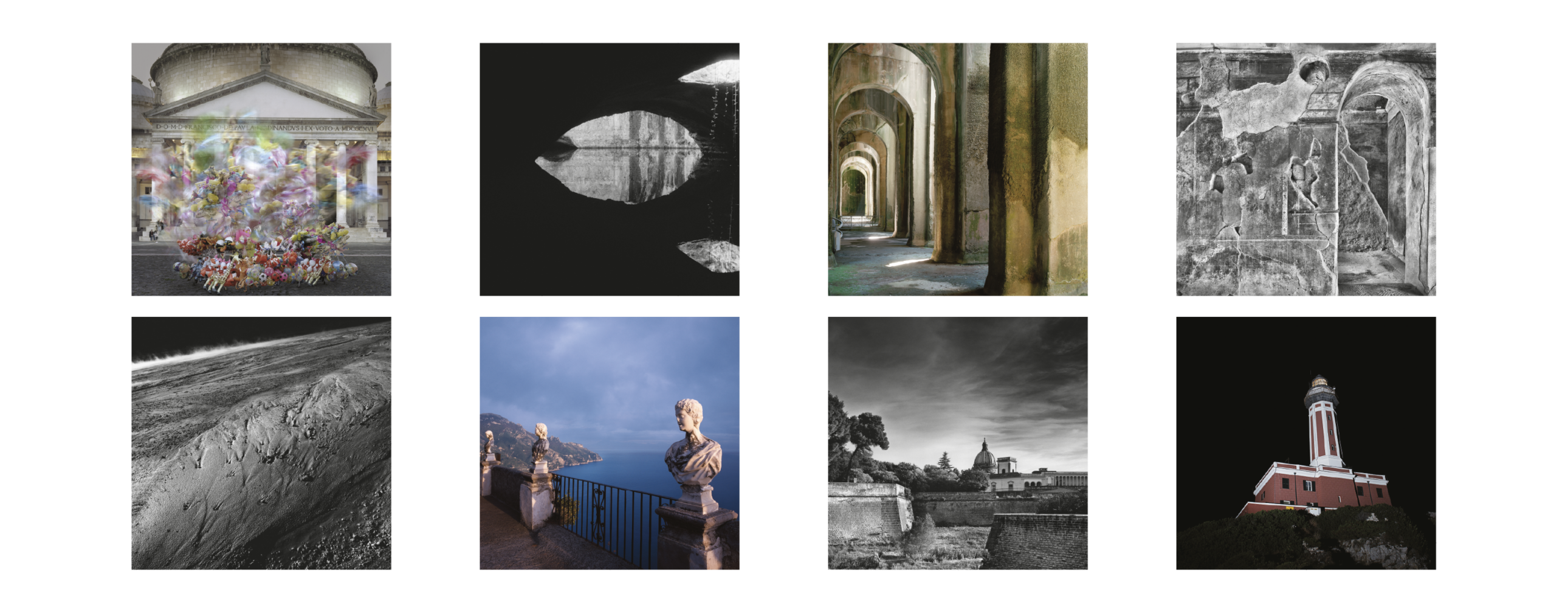
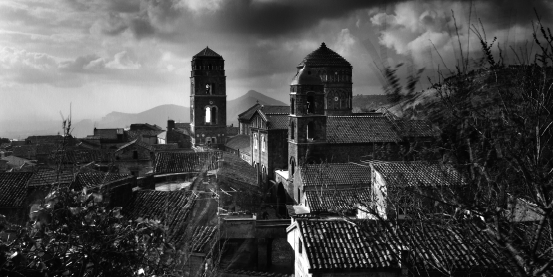
Campania Mirabilis is a photography research project that promotes landscape and cultural heritage in Campania through art photography. The collection of thirty-four photographs, conceived and curated by Gabriella Ibello, that compose a first core of a photographic archive about Campania cultural heritage and landscape, in 2018 were exhibited at the Royal Palace of Caserta , in the 18th century royal apartments. After, in 2021 they were donated to the same museum. Specifically, the photos exhibited are iconic images of the history and of the identity of the sites portrayed, at the same time, they trace the path to an amazing journey through some of the countless beauties of the regional landscape and heritage seen through the eyes of eight photographers from Campania: Monica Biancardi, Antonio Biasiucci, Stefano Cerio, Alessandro Cimmino, Pino Musi, Raffaela Mariniello, Luciano Romano, Luigi Spina.
The contribution of contemporary photography to the understanding of the experiential value of the knowledge of sites, where the journey undertaken is considered as a cultural journey between aesthetics and the human feeling, has allowed the construction of an emotional atlas of the beautiful locations in Campania. The intersection of more languages and the alternation of the photographers’ different gazes have defined an itinerary of images, that flows between documentation and lyrical transfiguration.
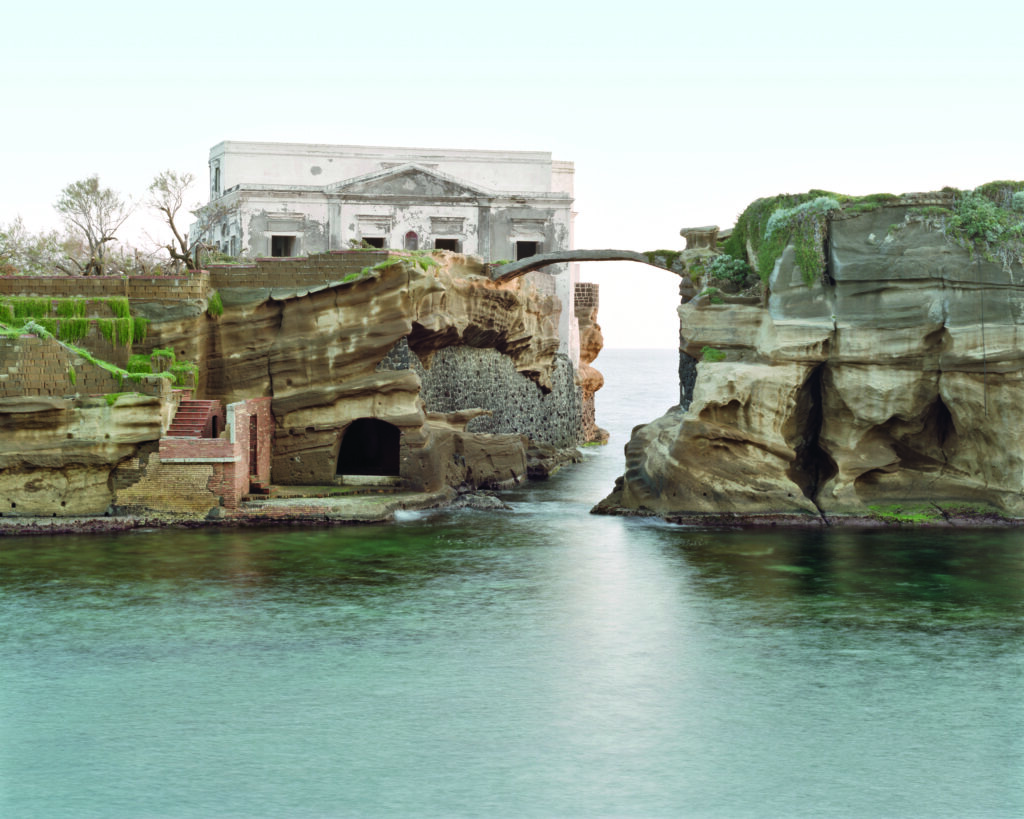
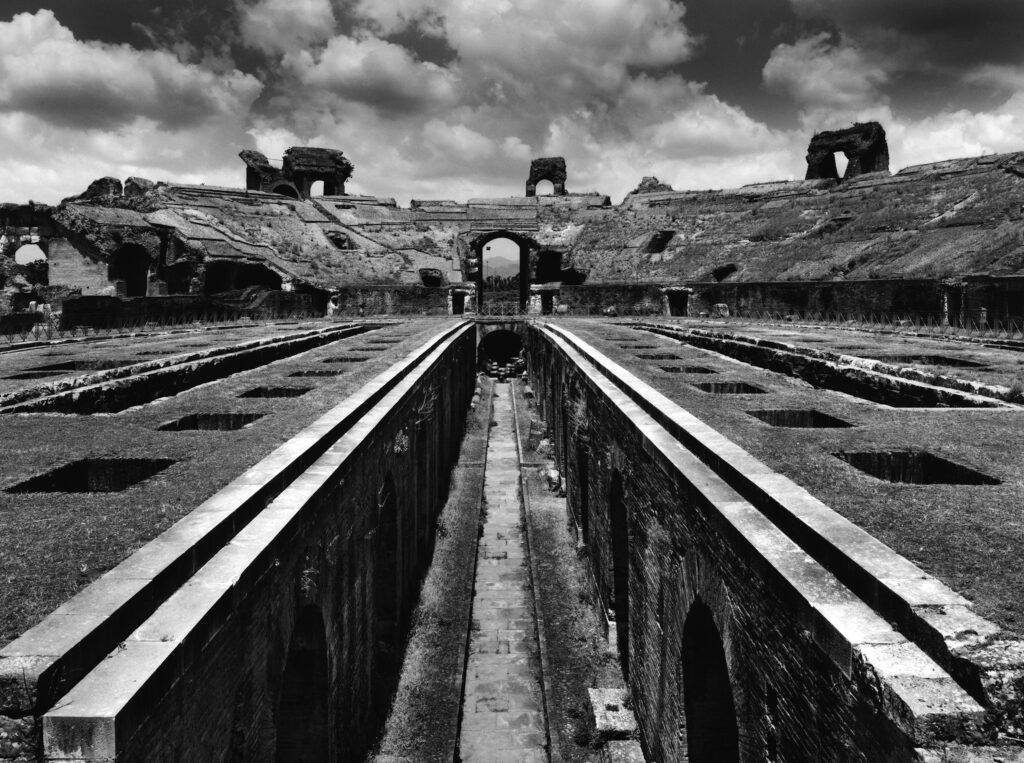
Campania Mirabilis is the point where the past and the present dialogue and it is, both for its conceiving and its concrete execution, the reinterpretation in a contemporary key of the first “vedute” of the landscape and the monuments of Campania which were commissioned by King Charles III and Ferdinando IV to Jacob Philipp Hackert and to the artists that embellished the Bourbon court.
The contemporary Grand Tour of the eight photographers allows to retrace some of the itineraries of the travellers that chose Campania among their favourite destinations, and at the same time it encourages us to rediscover them with a different gaze. Landscape photography and photography for cultural heritage invite us to recognize both the “physognomy of places”, that through the features of the natural and cultural heritage tells us its history and defines its identity, and their poetry, that the sensitive gaze of the photographer reveals. The process of education to a visual perception that encourages the aesthetic contemplation is one of the purposes of photography and Campania landscape, together with its monuments, fits perfectly well to this sublimation.
Hence, Campania Mirabilis, whose photographs activate always new compositions and narrations, becomes a sort of “locus amoenus”: it is the space where places, souls, visions, thoughts and languages meet.

The artists of the photographic collection

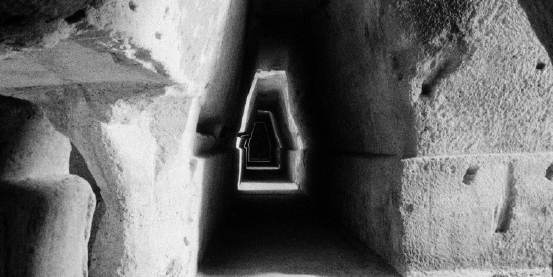
Monica Biancardi
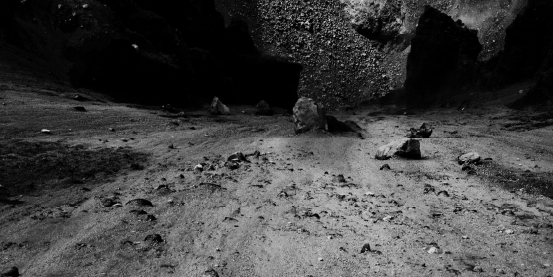
Antonio Biasiucci
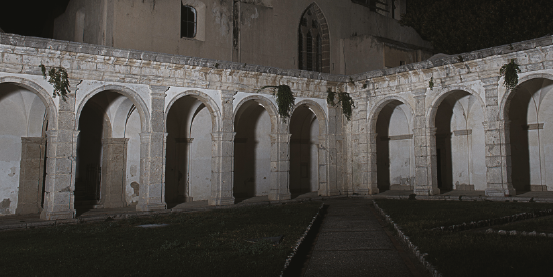
Stefano Cerio
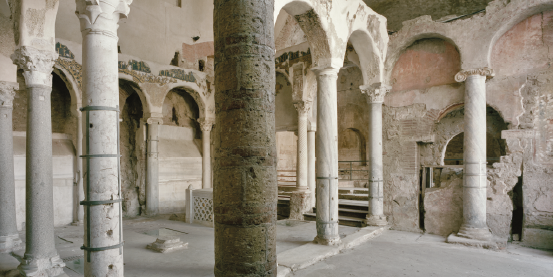
Alessandro Cimmino
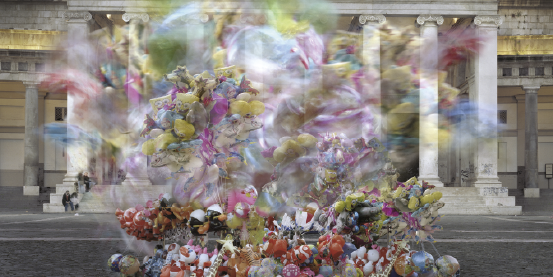
Raffaela Mariniello
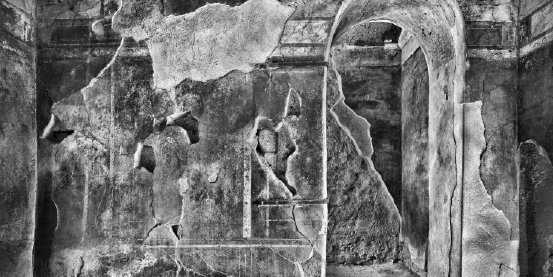
Pino Musi
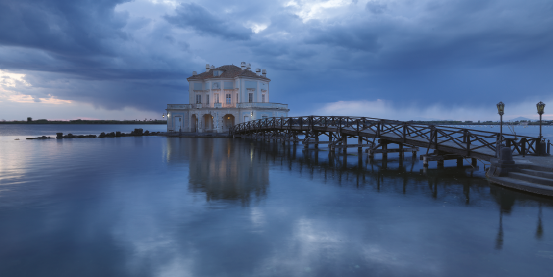
Luciano Romano
Luigi Spina
