


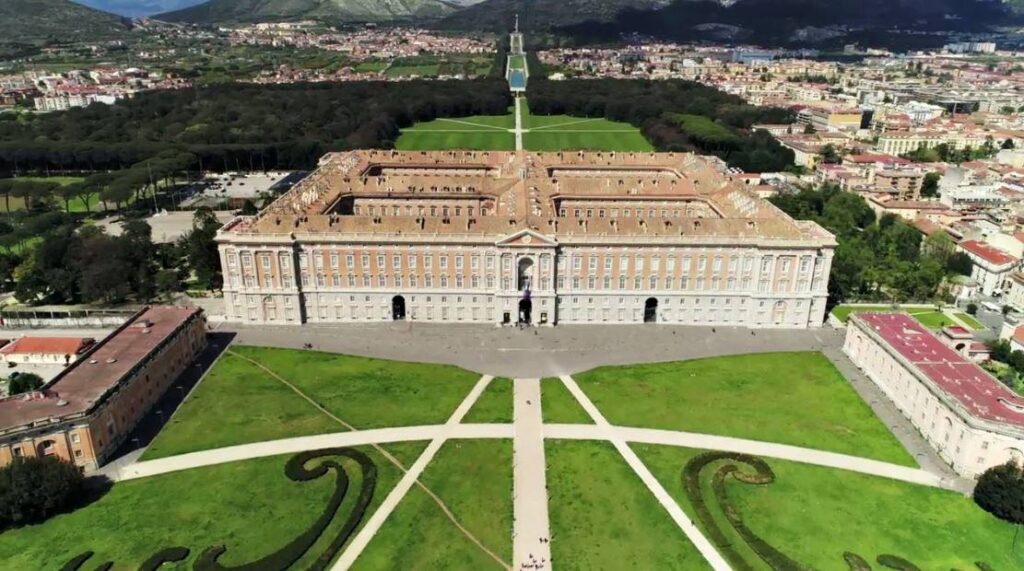
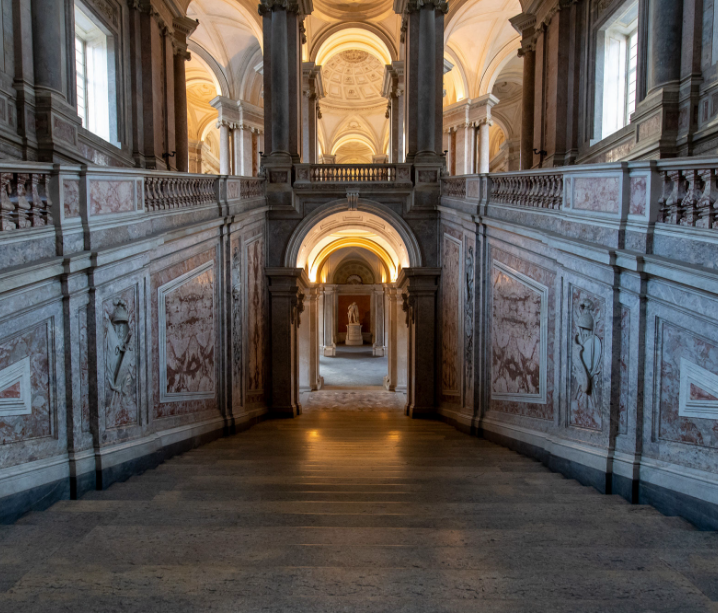
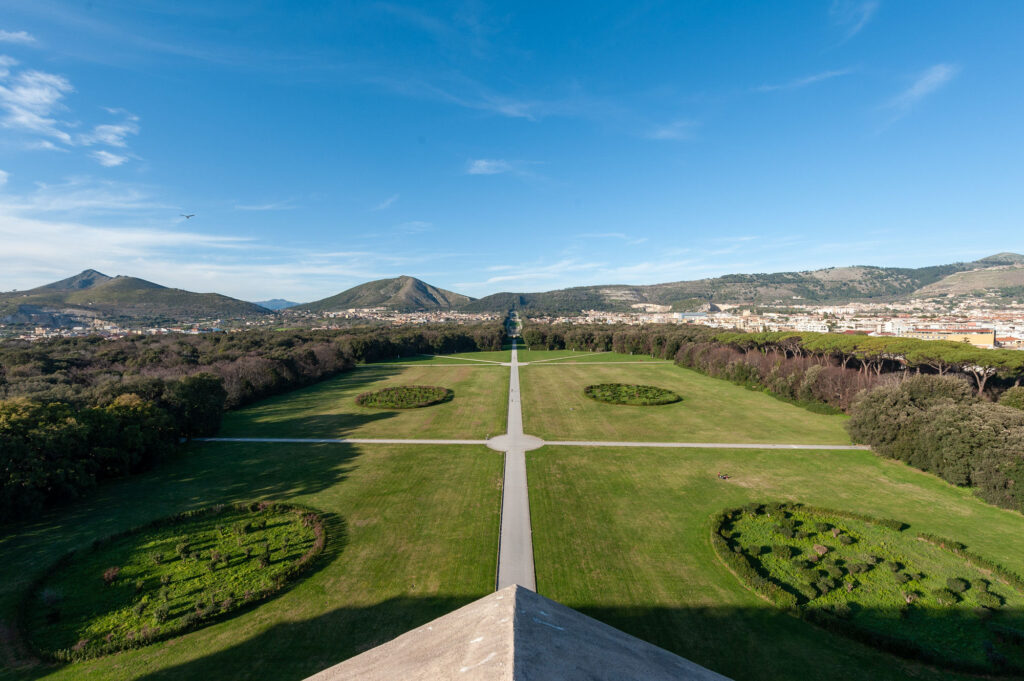
 Explore the Royal Palace



Luigi Spina
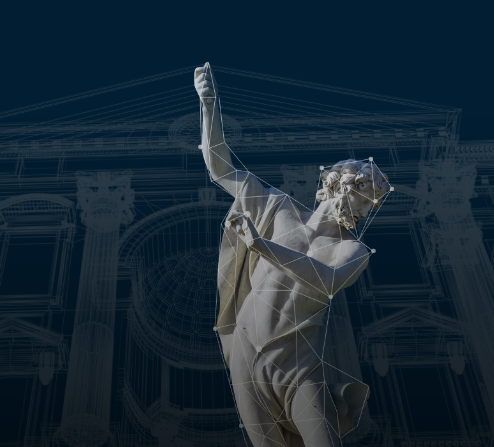
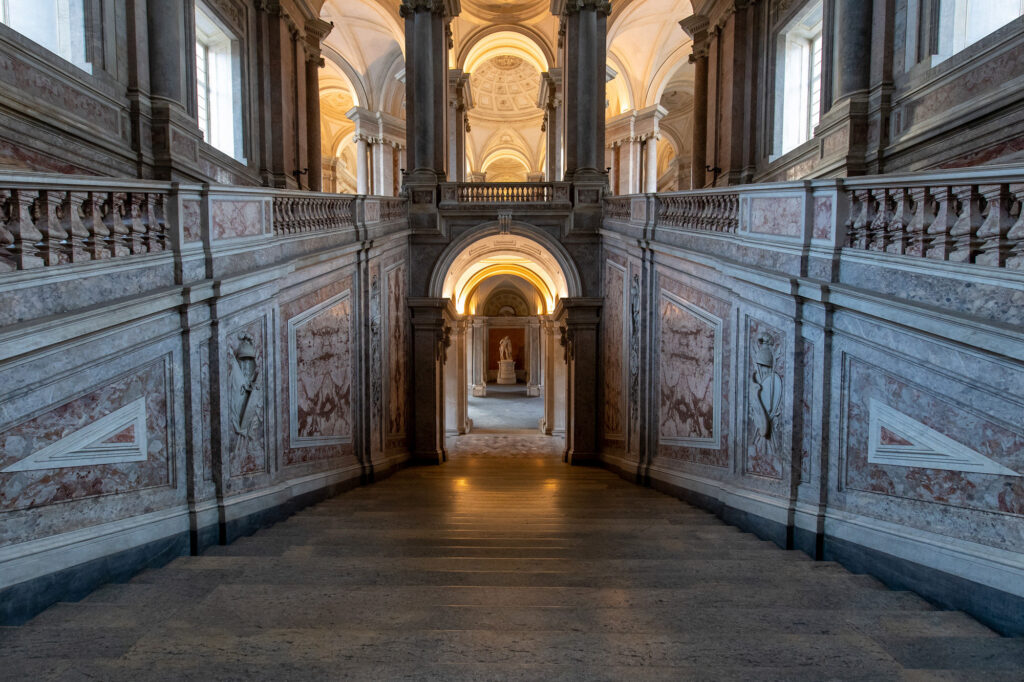
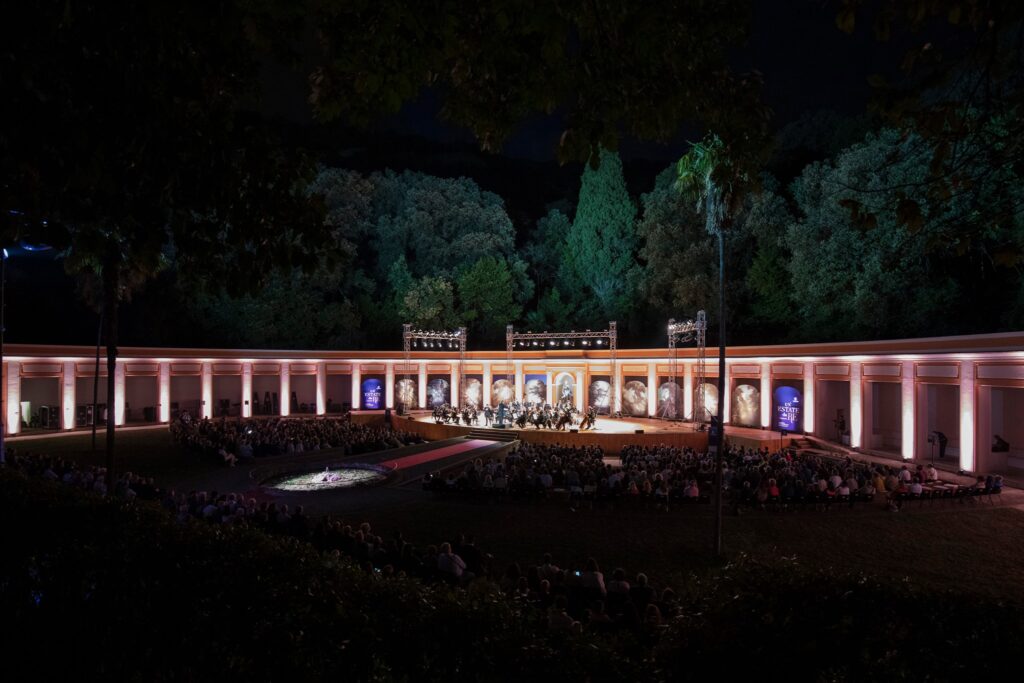
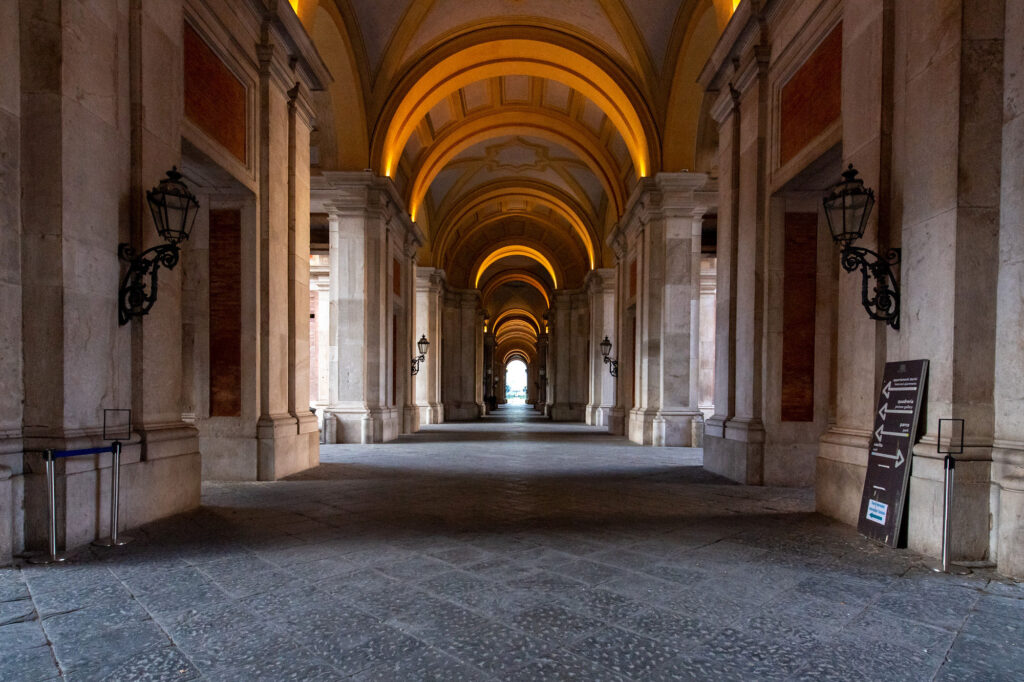
The photographic journey made by Luigi Spina, photographer-researcher of beauty and ancient cultural identities, make us cross landscapes and eternal towns. His photographs are the result of expectation, waiting for the moment when beauty reveals itself in all its parts until the instant of the perfect composition, when the place ascends to the absolute. His works are able to activate the aesthetic landscape contemplation, by sublimating in just one photograph the value of preserving memory and identity with the necessity of Vision.
Artist bio
Luigi Spina was born in Santa Maria Capua Vetere (Caserta) in 1966 where he lives and works. He has carried out numerous researches mainly focused on the ancient world, classical statuary and the memory of places, carrying out major photographic campaigns for Italian museums and cultural institutions, documenting archaeological collections and monuments of exceptional historical and cultural significance. He has published almost 22 photography books, among Among the many volumes published in different languages and distributed worldwide, are mentioned the project on the Roman Forum “L’Ora Incerta”, Electaphoto (2014); “The Buchner Boxes” (2014); “Le Danzatrici della Villa dei Papiri” (2015); “Diario Mitico, la Collezione Farnese” (2017); “Tazza Farnese” (2018); “Canova quattro tempi” (2020), all published by 5 Continents Editions and “Volti di Roma alla Centrale Montemartini”, Silvana Editoriale (2019). In 2020 the Artribune magazine named him “Photographer of the Year.” In 2022, he was a finalist for the prestigious Michetti Prize with the project “MATRES. The Soul of This Land Is Mud”, dedicated to the renowned Matres Matutae sculptures of the Campania region. In 2023, he was awarded the Amedeo Maiuri International Photography Prize. His book “Interno Pompeiano” (2023) was published simultaneously by five international publishers: 5 Continents Editions (Milan), J. Paul Getty Museum Publications (Los Angeles), Thames & Hudson (London), Elisabeth Sandmann Verlag (Munich) and La Fábrica (Madrid). Luigi Spina is among the winners of Strategia Fotografia 2024 with the photography project “St.Francis’ s Umbria”, a project that explores the landscapes, roads, monasteries, churches and rural settings associated with Saint Francis of Assisi and the Franciscan tradition in Umbria. The exhibition was held at the National Gallery of Umbria in Perugia in 2025, now it’s permanent collection of the museum. Among the cultural institutions in which he exhibited there are: Archaeological Museum of Naples; Capitoline Museums of Rome; Museo Campano di Capua; Galleria San Fedele, Milan; MADRE Museum, Naples; Palazzo dell’EUR, Rome; Royal Palace of Caserta; MACRO, Rome; Galerie Patrick Mestdagh, Brussels; MIAFAIR Milan; Postermostra, Lisbon, Kranj, Slovenia; Gallery of Fine Art Uzbekistan; MART Rovereto. Many authors and art and photography critics have written about his projects: Stefano De Caro, Claudio Parisi Presicce, Cesare de Seta, Philippe Daverio, Vittorio Sgarbi, Manlio Sgalambro, Roberto Mutti, Giovanni Fiorentino, Davide Vargas, João Vilela Gelardo, Paolo Giulierini, Eduardo Cycelin.

 Travel notes
Charterhouse of San Lorenzo, Padula - Salerno
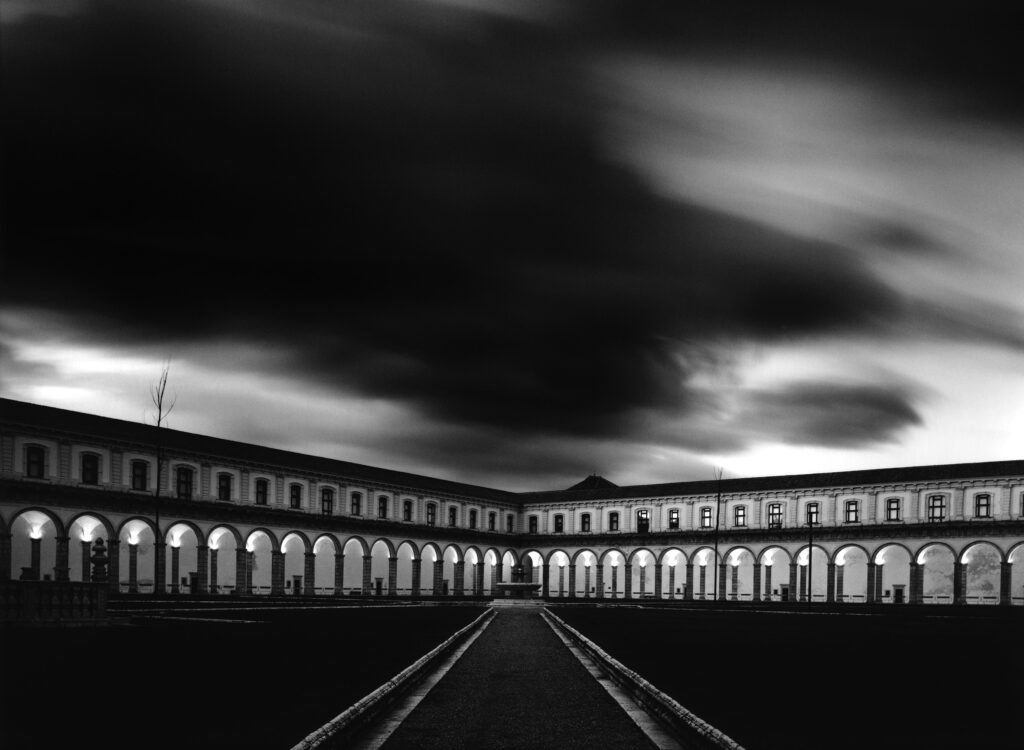
“Stat crux dum volvitur orbis” (The cross stands while the world turns) is the Latin motto of one of the strictest religious orders in the Church: the Carthusians, whose order was founded in 1084 by Saint Bruno to ingratiate the French-Angevin rulers of Naples. The Charterhouse of San Lorenzo is the biggest monastic complex in Southern Italy and one of the most interesting and richest in Europe. Its construction, by the will of Tommaso Sanseverino (the most powerful feudal lord of the time who gave it to the French monastic order of The Chartusians) was dedicated to San Lorenzo and started in 1306. In the 18th century the construction was modified in a Baroque style but always keeping the typical scheme of the Charterhouse with the “Casa Bassa” (Low House) for the stores, the stables, the service rooms and the “Casa Alta” (High House), very quiet, reserved to the fathers of seclusion. In 1807 with the French domination of Murat, the Order of Friars was abolished and the monastic complex turned into a barracks. Later it was abandoned and all its works of art, among which many books, went lost. After a long restoration it was finally restored and in 1998 it was declared World Heritage Site by UNESCO.
Campania Amphitheatre, Santa Maria Capua Vetere - Caserta
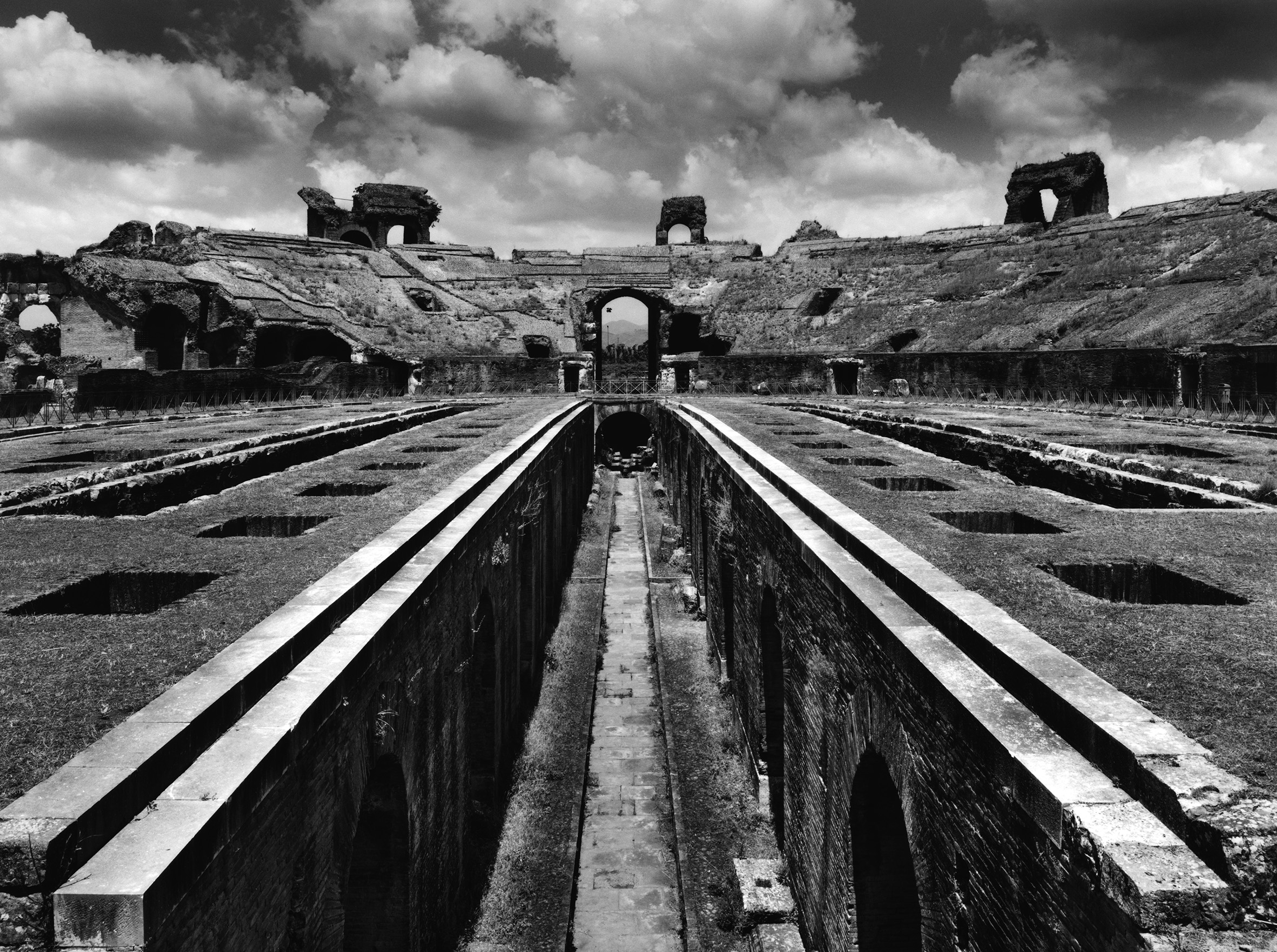
The Amphitheatre rose in the territory of the ancient Capua (Capua Vetere). Initially it was an ancient Italic village (Etruscan-Oscan) where one of the first Greek settlements was built (9th and 8th century B.C.). It was first abandoned and then in 524 B.C. the Etruscans refounded it. It became Samnite from 524 B.C. then Roman in 338 B.C. thus becoming the most important Italian town after Rome. It remained under Roman dominion for many centuries until it was destroyed by the Saracens in the 9th century. The present Amphiteatre was built at the end of the 1st century A.D. on the ruins of a previuous smaller amphiteatre where the first revolt of slaves, led by the gladiator Spartacus, started in 73 A.D. Today it is still possible to see its ruins. It is the most ancient amphitheatre in the Roman Age and for its size it is second only to the Colosseum. It was used for gladiator shows and became the seat of the first school of gladiators during the Roman Empire. Today it is possible to visit its Gladiator Museum. After the fall of the Western Roman Empire the amphitheatre together with the town was first destroyed by the Vandals of Genserico and then by the Saracens. Part of its destruction and damage were due to the plundering by other peoples since its parts were used as spoliation material for new constructions. Only with the Bourbons the destruction of the amphitheatre stopped, when the royal family declared it as a national monument.
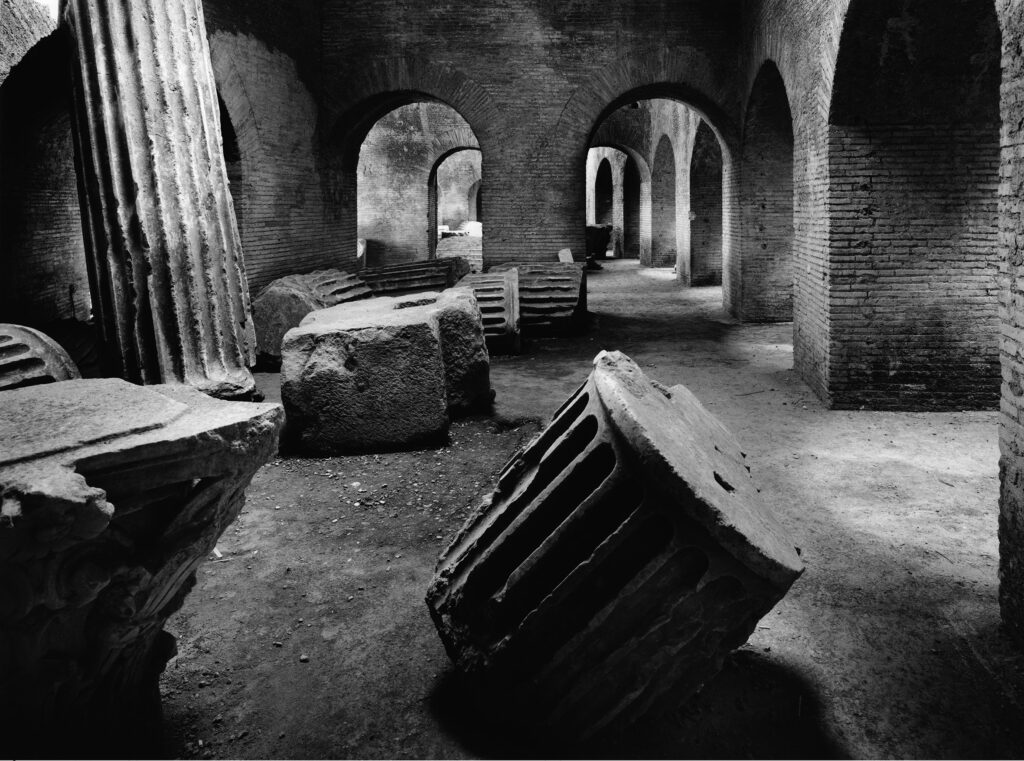
Flavian Amphitheatre, Pozzuoli - Naples
It was built in the 1st century A.D. by the Romans. It is preceded in importance only by the Colosseum and the Amphitheatre of Ancient Capua, it was attributed to the same architects that had built the Colosseum. Its construction was entirely financed by the city income taxes, as it is testified on four ancient stone slabs “Colonia Flavia puteolana pecunia sua”. Many death penalties were executed there, a famous one was the missing execution of San Gennaro. According to the Christian tradition the saint was saved by ferocious beasts that knelt in front of his benediction, as it is represented in the painting by Artemisia Gentileschi preserved in the Cathedral of Pozzuoli.
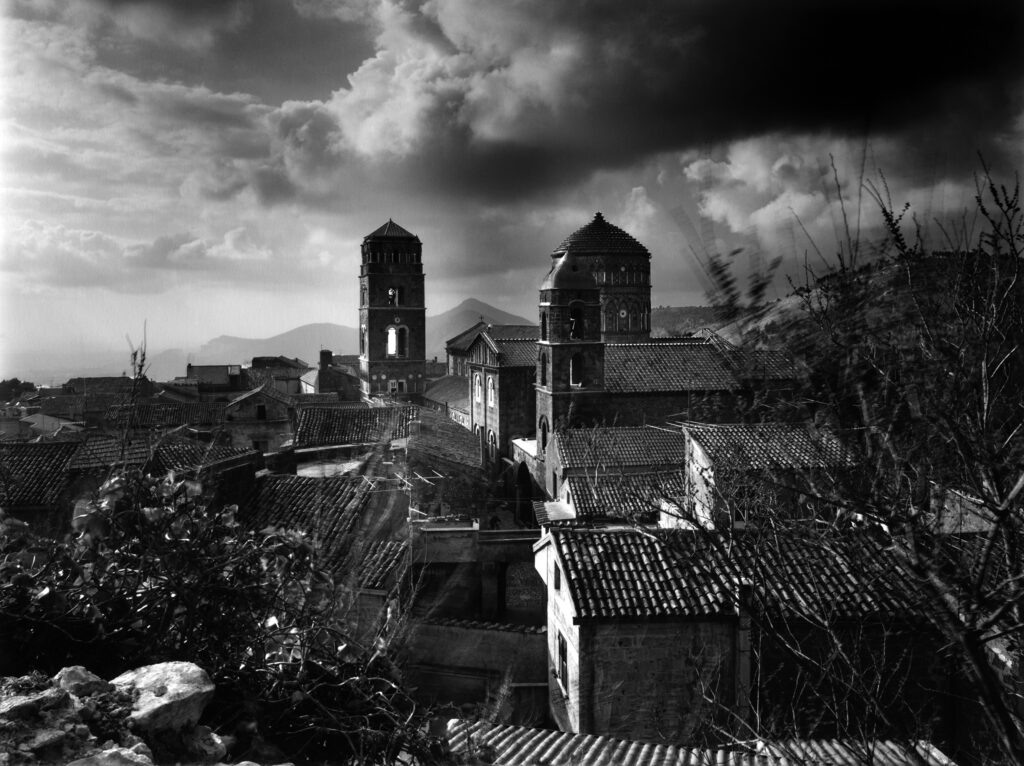
Casertavecchia - Caserta
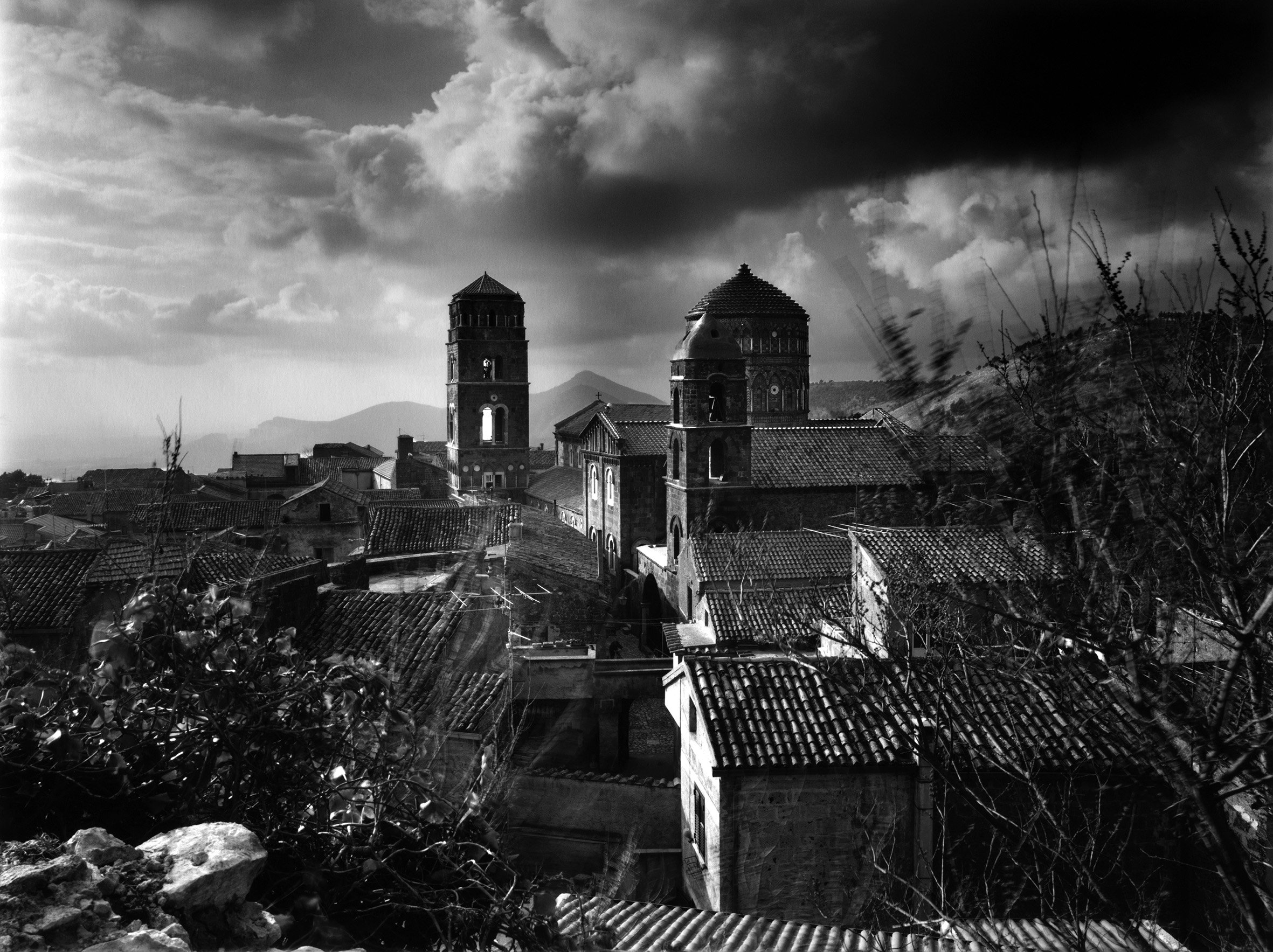
The medieval town centre rises on the slopes of the Tifatini mountains, the village was built on a pre-existing Roman village on “Casa Hirta” hill, where “casa” means “village” and “hirta” “steep”. In 879 under the Lombard reign it became the bishop seat, from the 9th century and from 1062 it lived a flourishing period under the Norman domination. Its cathedral is one of the most interesting examples of Romanesque architecture in Campania. Its construction started in 1113 and was consecrated in 1153 to the worship of St. Michael Arcangel. The Norman bishop Rainulfo commissioned it and it was built in “ignimbrite”, the grey tuff rock from Campania. It includes different styles: from the Romanesque and Gothic style, through the Early Christian to the Islamic and Arabian architecture, as it can be seen in its beautiful dome. Of the ancient castle with its Longobard, Swabian and Aragonese stratifications, only the medieval cylindrical tower (the “Maschio”), built from 1225 to 1238, has survived. In 1442 Casertavecchia was under the Aragonese control and with the Bourbons, because of the construction of the Royal Palace of Caserta and in 1842 with the moving of the bishop seat from Casertavecchia to Caserta, its importance finally decayed.
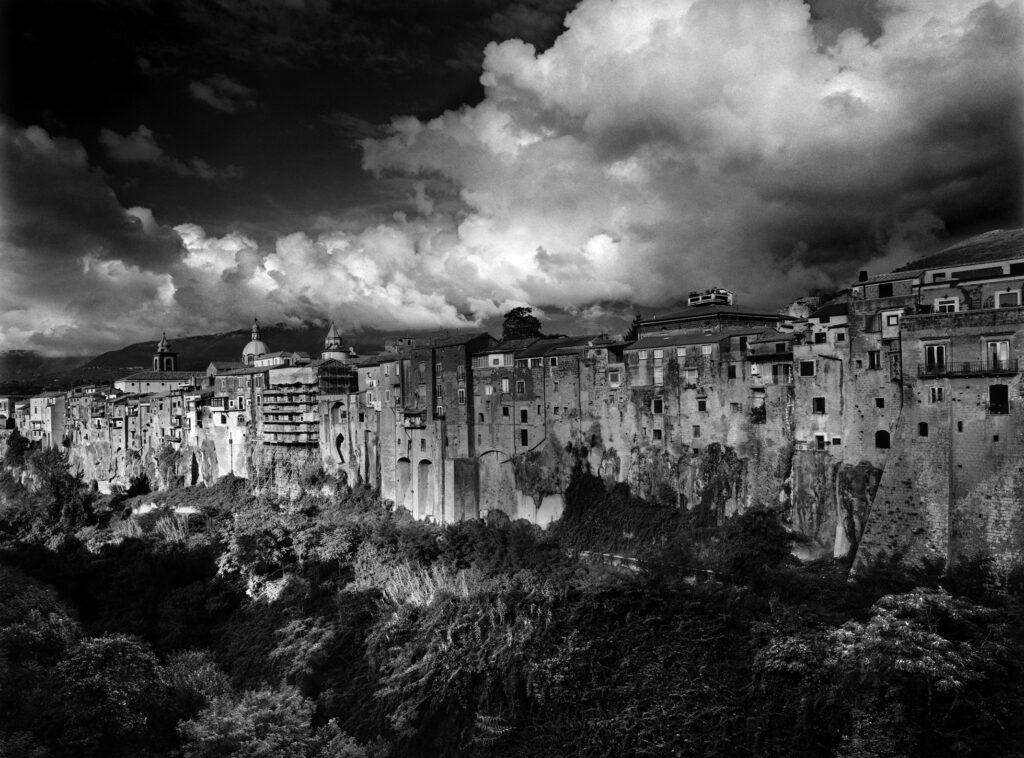
Sant’ Agata de’ Goti – Benevento
It was founded by the Romans. It is peculiar because it is placed on a large tuff rock, where the stone and the houses seem to be fused in a single matter. It is one of the most beautiful medieval villages in Italy and it rose on the ancient Samnite town of Saticula. Its name derives from the Lombard duke Rodoaldo. In the Norman age it took the suffix de Gothi, until the definitive present name given by the Angives. It became the feud of the Artus. Subsequently Queen Giovanna II assigned it to de la Rath family, who were the counts of Caserta. In 1509, with the marriage of Catherine de la Rath, it passed to the feud of Acquavivas and finally it was acquired by the Carafas, the dukes of Maddaloni. Charles III of Bourbon built there one of the eight ironworks of the Kingdom.
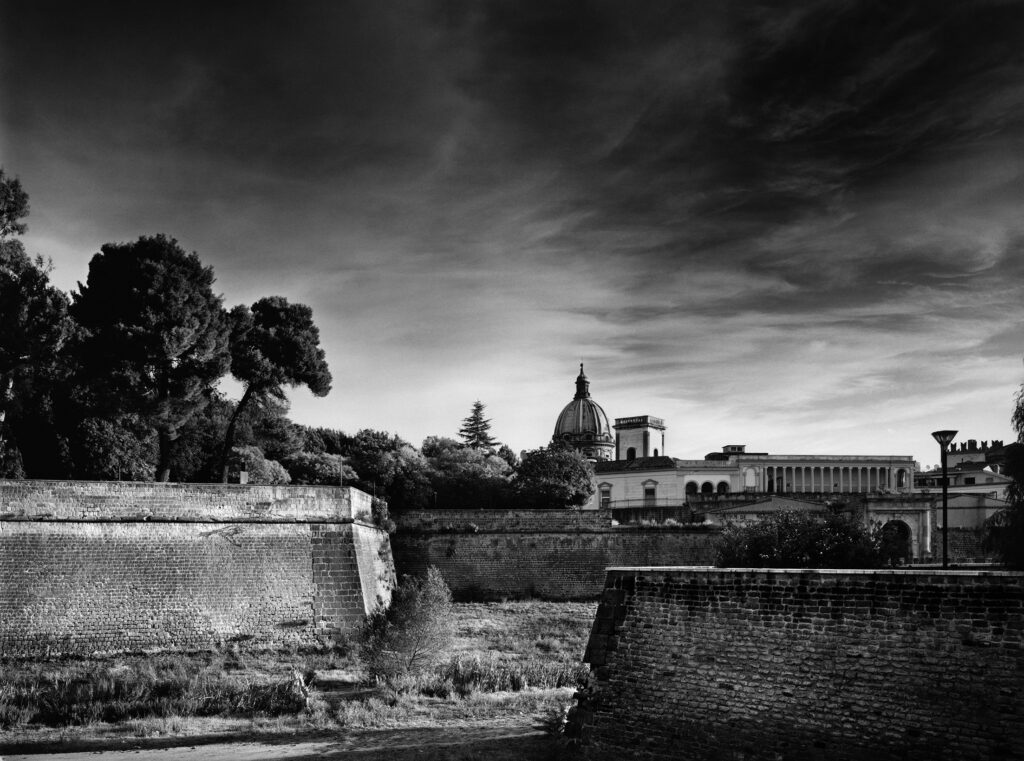
Capua, Ramparts and “Porta Napoli” (Caserta)
The ancient Capua (Capua Vetere) rose in the present Santa Maria Capua Vetere, while the new town, the present Capua, was founded by the Lombards in 856 A.D., when after the Saracen attack count Landone I fortified the site thus creating the new town on a bend of the Volturno river. The new Capua became the capital of an independent Lombard Principality, extended from Terra di Lavoro to the Gariglianoriver. It became Norman then a Swabian fortress and an Angevine and Aragonese town. Prosperous periods followed. In the medieval period many churces and the monumental fortified construction commissioned by Federico II of Swabia were built. In the modern age the town development was characterised on the one hand by the recovery of many “spolia” from the nearby ancient Capua, on the other by the construction of towers, churches and convents, noble palace and monumental gates. During the Spanish (1504-1707), Austrian (1713-1734) and later the Bourbon (1734-1861) domination, Capua had a strategic importance due to the fact that it was a fortified town. In 1818 the Bourbons removed it as capital of Terra di Lavoro and Caserta became the new capital. Around 40 A.D. the famous historian Pliny the Elder named the wide territory of the ancient Capua Campania Felix in order to show its fertile land. Two important places of worship were: the sanctuary to Diana Tifatina, whose remains are in the Benedictine Basilica of Sant’ Angelo in Formis, and the Sanctuary of Venus Giovia, the goddess of fertility that is celebrated in the famous Matres Matutae collection, exhibited at the Museo Provinciale Campano in Capua.
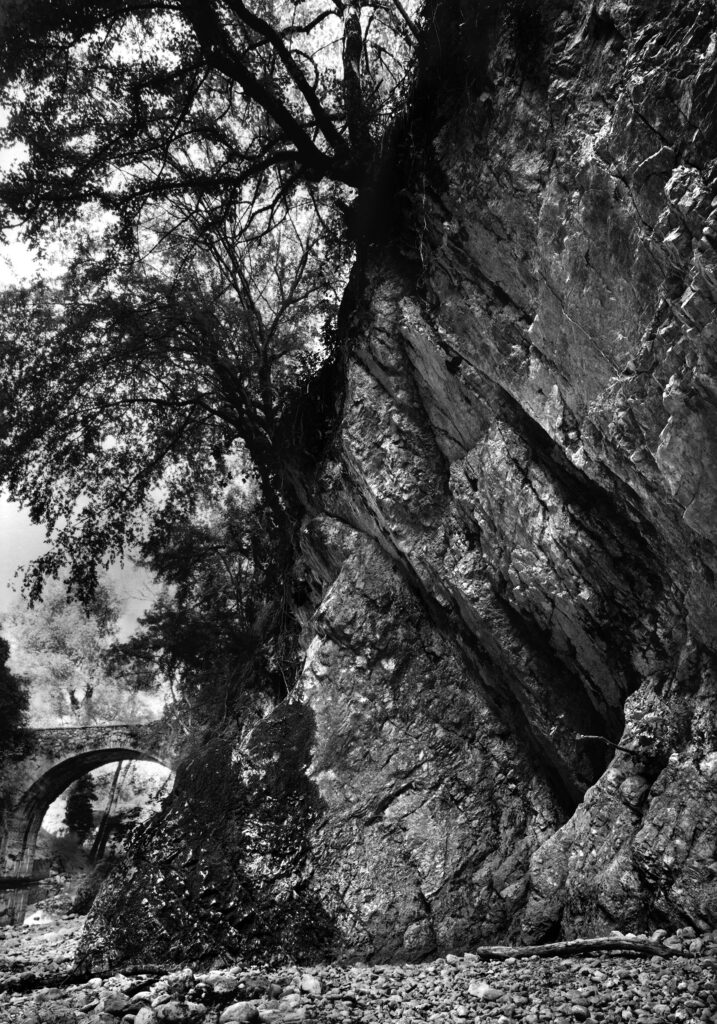
The Washerwoman Bridge, Regional Park of the Picentini mountains, Montella, High Valley of The Calore - Avellino
The bridge rises at the feet of the Terminio mount, the highest peak of the Picentini mountains and. Montella, known for its chestnuts, is located in one of the greenest area in Irpinia. Among its several sources of fresh water the most important one is from the River Calore. The big reserve of water provides water to many areas in Campania and Apulia. Thanks to the presence of an ancient Roman bridge the waterfall of the “Lavandaia” once powered a mill built by its inhabitants. Today, at the top of the waterfall, it is still possible to see few survived parts of the old system of mechanical locks. It was active until the Second World War and today is in a state of disrepair.
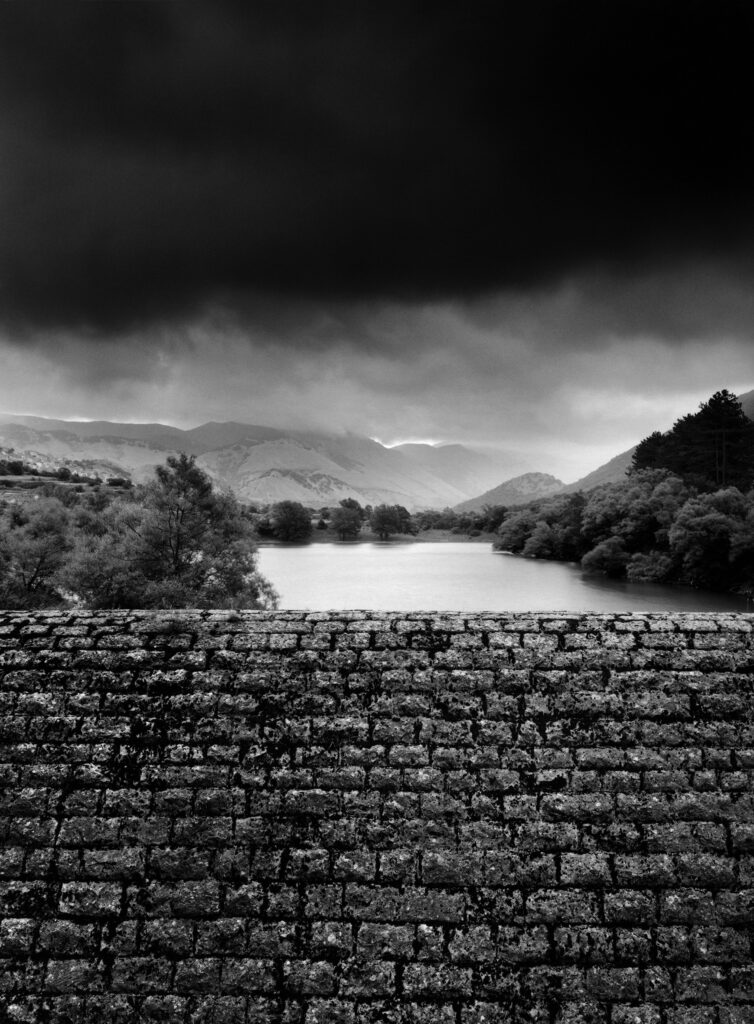
Dam of Enel over the River Oblivion, Matese Regional Park - Caserta
The Lete is a small river with a great and literally evocative name because it rises not only from Matese karstic rocks but also from the great classical literature of mythology. According to the Ancients the souls of the dead dived into the river before the reincarnation in order to forget the pre vious life. Lete is a Greek word which means “oblivion”. From here the name “River of Oblivon” derives. This is also told in “The Republic” by Platone, in “The Aeneid” by Vir gilio and it is mentioned in the Purgatory by Dante as the celestial river. The dam, a high engineering construction, was built by the Società Meridionale di Elettricità near the small town of Letino in 1907.
