


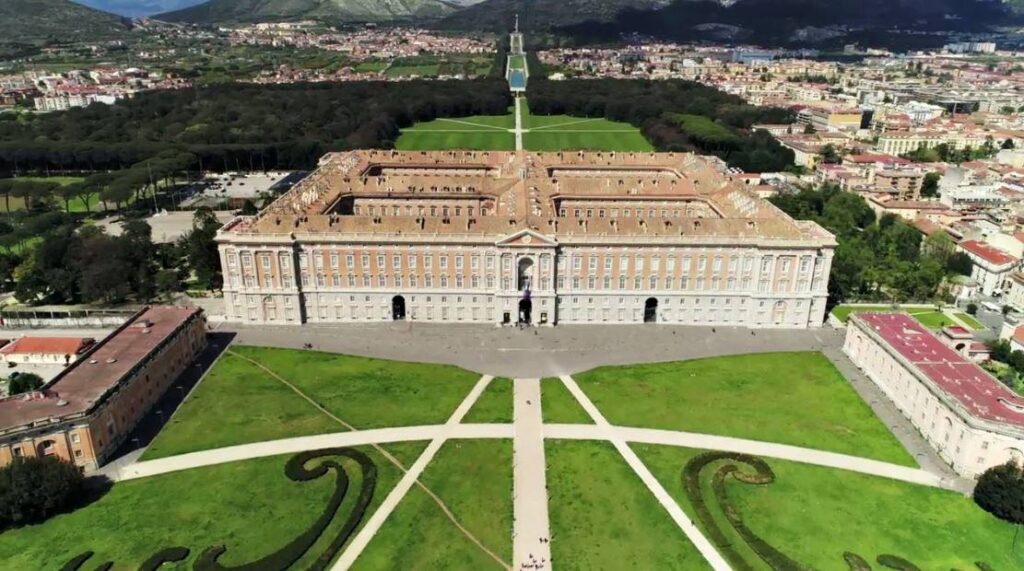
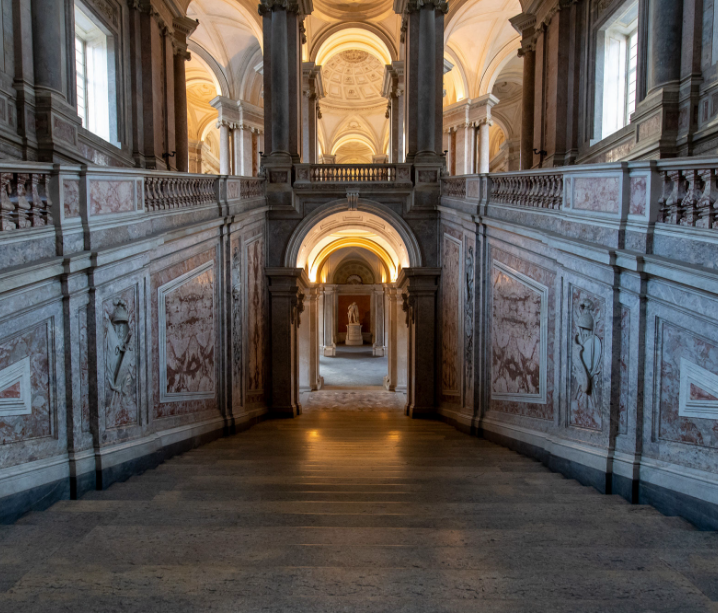
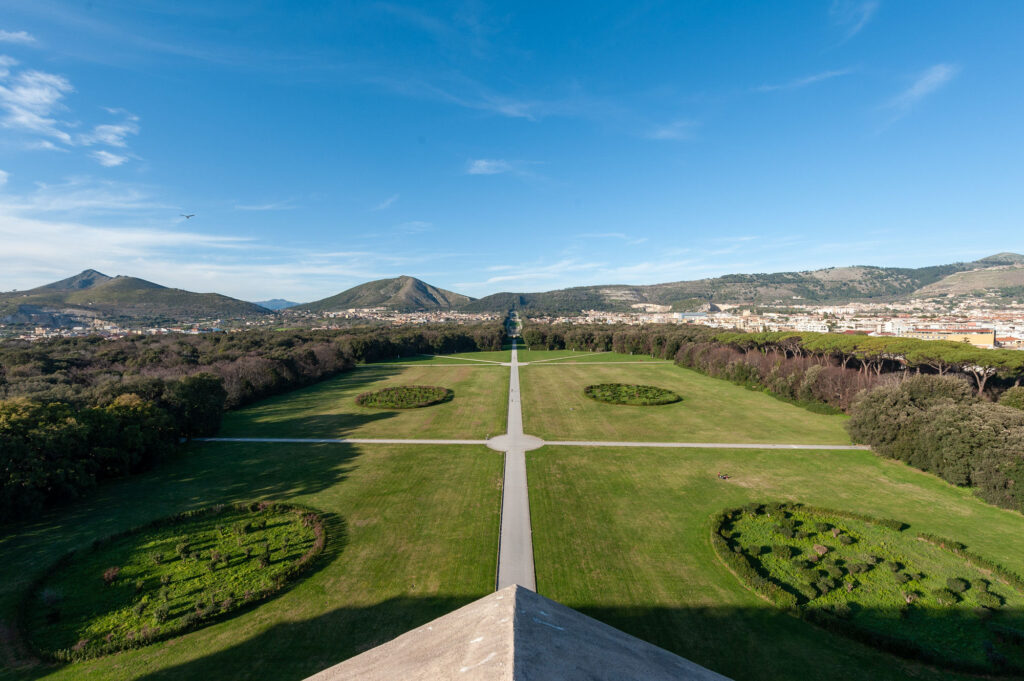
 Explore the Royal Palace



Pino Musi
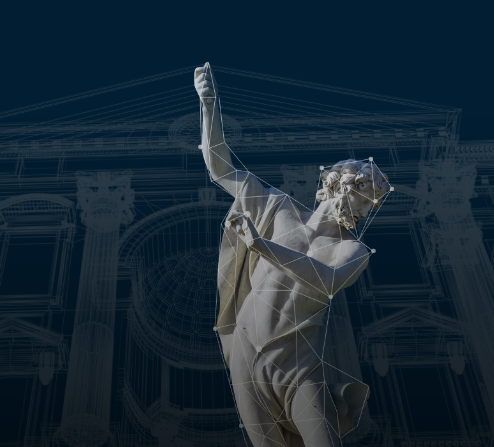
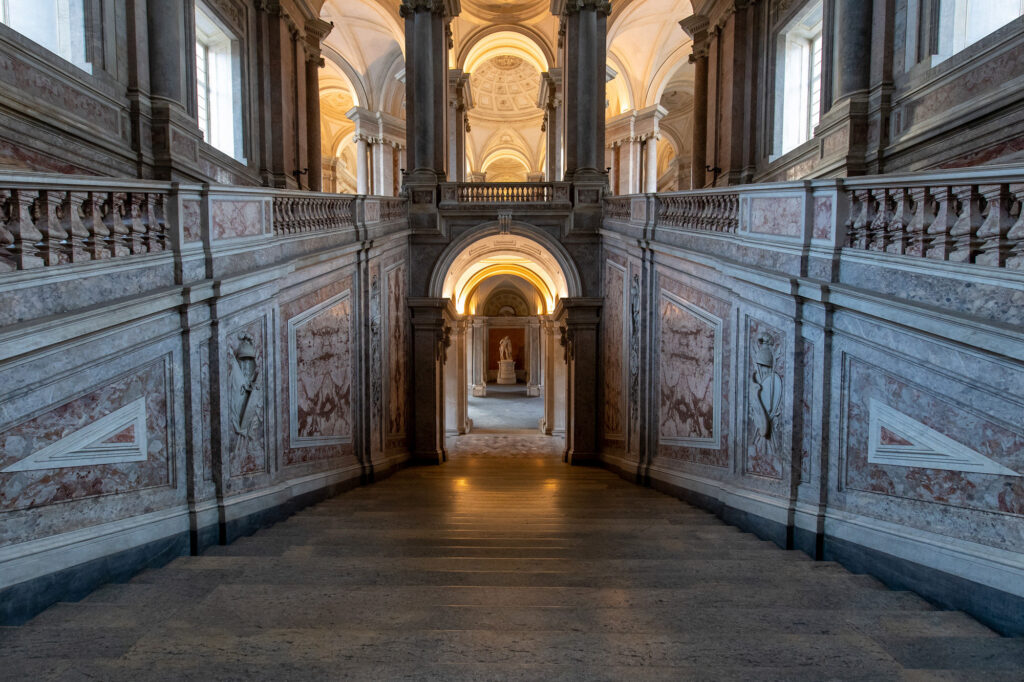
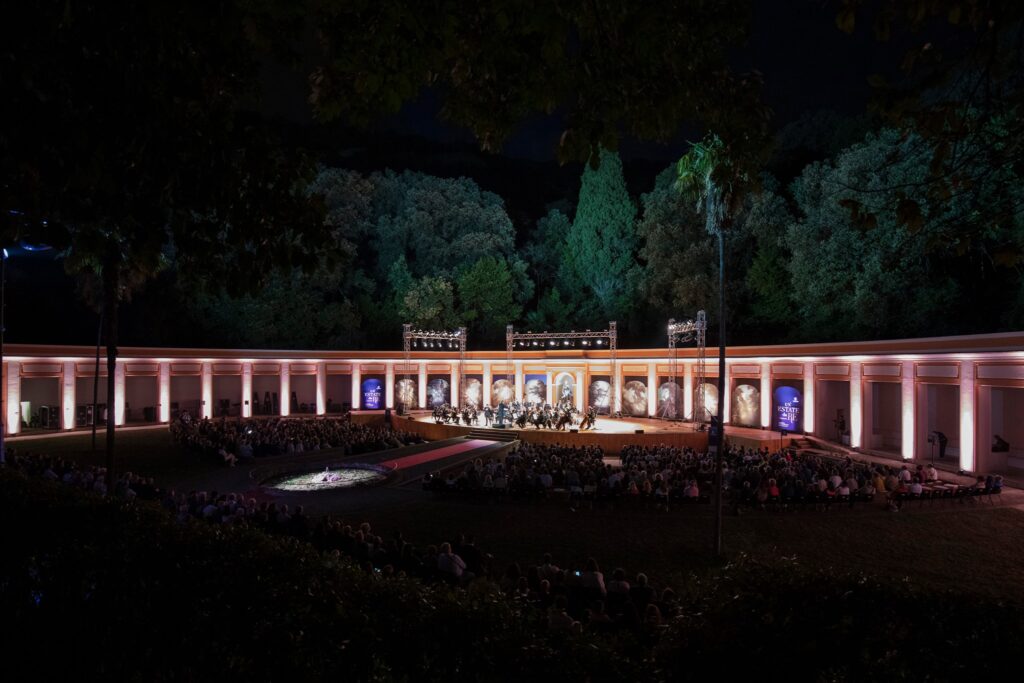
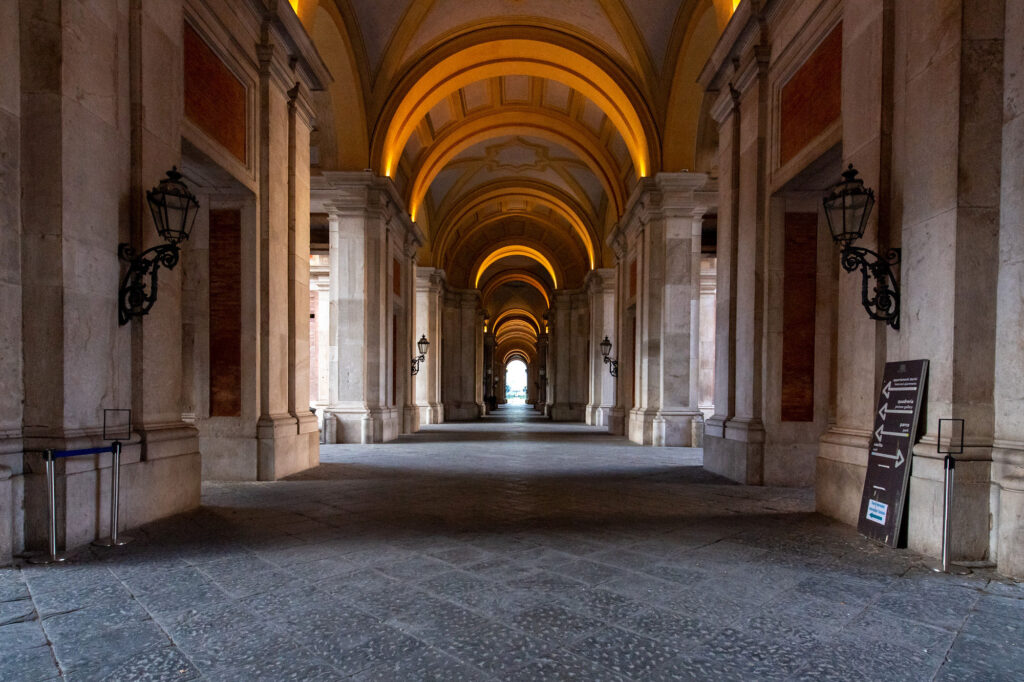
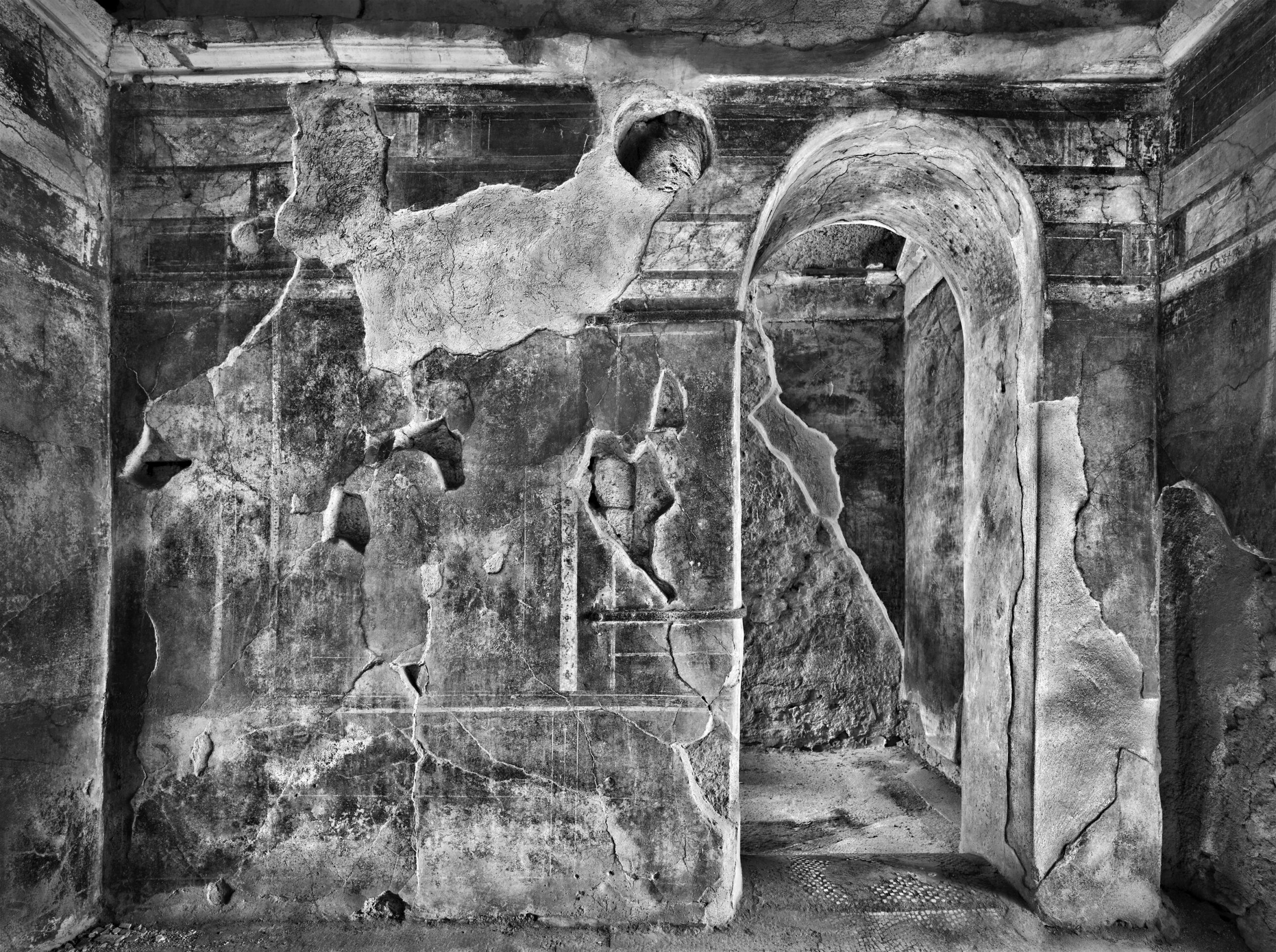
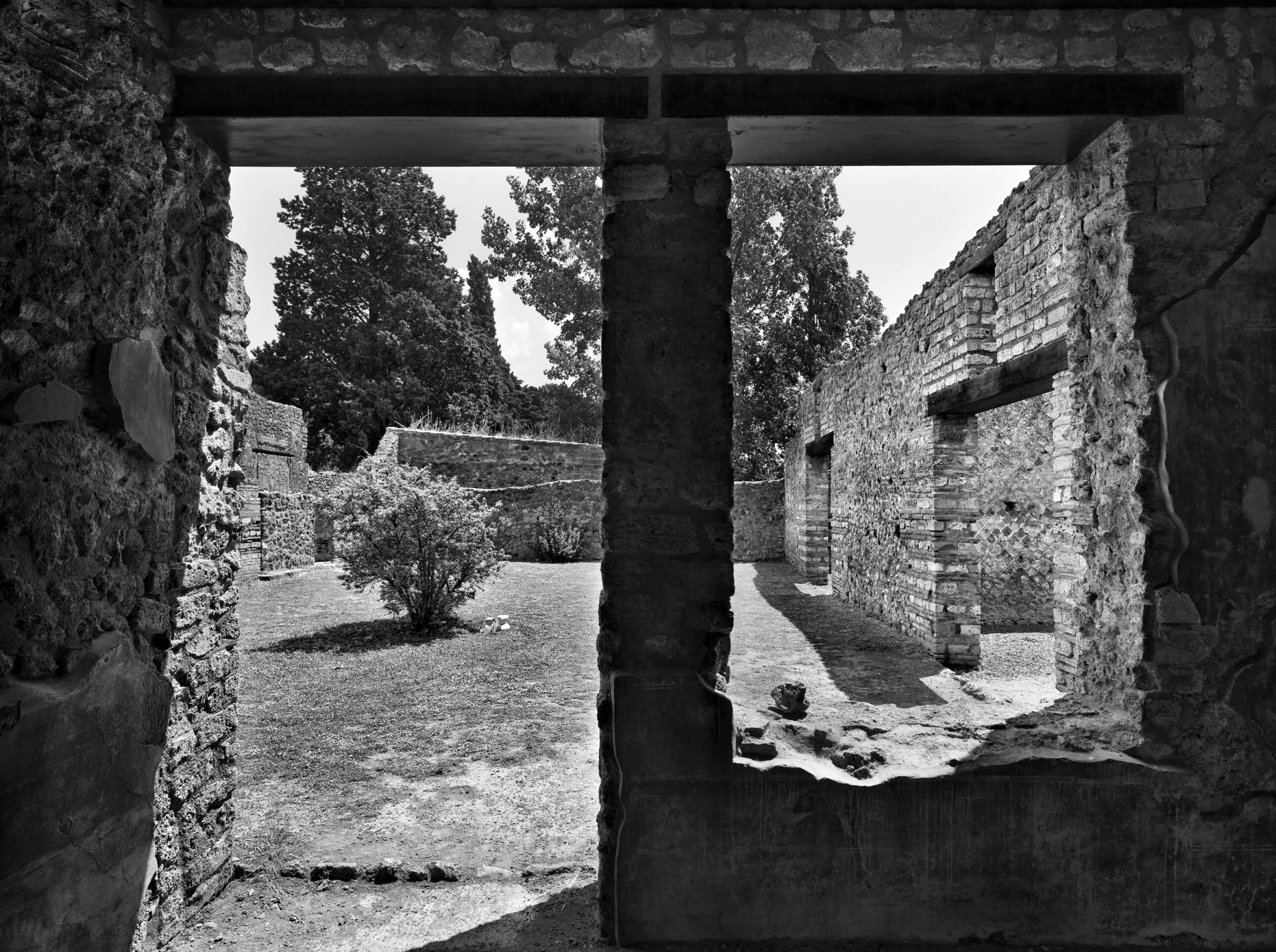
Pino Musi with the right gaze comes face to face with Ancient Art. He focuses his attention on it to capture the true essence of beauty through the elimination of superfluous, namely of any element which may undermine the perception of the pure and authentic sentiment you feel in front of the places as caretakers of absolute beauty. His black and white eye is vibrant, it is the light that compose the image, and that gives it a sort of pictorial vigour. Thus, Musi gives new life to Pompei and allows us to see that immortal city more alive than ever.
Artist bio
Pino Musi was born in Salerno in 1958 and since many years he has lived and worked in Paris. His research is mainly focused on the connection between photography, architecture, archeology, landscape and memory. He approached photography at a very young age, when he started to learn as a self-trained the white and black technique. His attraction for the darkroom and the frequent attendance up to the end of the 80s of the avant-garde experimental theatre, have deeply marked his research from the linguistic and conceptual point of view. Over the years, his work has intersected with different areas of interests from Anthropology to Architecture, from Archeology to Industrial production. The collaboration with the film director Jerzy Grotowski and the Swiss architect Mario Botta were essential to him. Pino Musi’s research is uniquely characterized by the persistent study of the shape that finds its perfect expressions in his artist’s books, for whom he has received important international prizes. In 1997 he received the Europäischer Architekturfotografie-Preis, in 1999 the Buchmesse Frankfurt Prize and in 2003 at Modena he won the Goldoni Oscar Awards. In 2013, his artist’s book “_08:08 Operating Theatre”, was included in the final selection of several international lists for the best photobooks. From 2011 to 2017 he taught at the Master Course on Contemporary Image at Modena Photography Foundation. Among his main exhibitions “Maschere e Persone” at the Scuola Grande di San Giovanni Evangelista in Venice 1982; “Watari Museum Project” at the Watari Museum of Contemporary Art of Tokyo (1990); “Architektur: Licht Materie, Landschaft – Mario Botta gesehen von Pino Musi” at the Museum Schloss Morsbroich of Leverkusen in Germany (1996); “Emozioni di Pietra” at the Royal Palace of Naples (1997); “Forme ferme” at Palazzo Genovesi of Salerno (1999); “Metamorfico I” in “Da Guarene all’Etna, via mare, via terra” at Fondazione Sandretto Reebaudengo Foundation and at Modena Civic Gallery (2000) and “Metamorfico II” in “Da Guarene all’Etna, 02”, Sandretto Re Rebaudengo Foundation and Italian Pavillion at Biennial of Venice (2002); “La scena vuota” at the Shanghai Museum of Contemporary Art (2004); “Napoli presente” at PAN of Naples (2005); “In Mollino’s Room” at Paris Photo (2007); “Hybris” in “Da Guarene all’Etna 1999-2009” at Sandretto Re Rebaudengo Foundation of Guarene d’Alba (2009); “Rivelazioni della Forma. Le origini dell’Italia nelle fotografie di Pino Musi “at Ara Pacis Museum of Rome (2012); “Opus” at Rome International Photography Festival (2016). In 2017 he exhibited “Acre” at MACRO (Rome Contemporary Art Museum) and later at the Italian Cultural Institute of London, at the Espace François-Mitterrand, Guingamp, at the Conseil d’Architecture, d’Urbanisme et de l’Environnement des Côtes-d’Armor at Saint-Brieuc. In 2019 he exhibited “Sottotraccia” at Sardegna Foundation in Cagliari and in the same year “Border Soundscapes” at Sandretto Re Rebaudengo Foundation. In 2021 he exhibited Polyphōnia in the Temple of Pomona, in Salerno. Among his recent books: “Sottotraccia” Punctum Press, Rome (2019); “Border Soundscapes” Artphilein Editions, Lugano (2019) and “Grecia Le radici della civiltà europea” UTET Grandi Opere, Milano (2019). In 2017 he published “Acre” Éditions GwinZegal, Guingamp. Pino Musi’s photographs are in private and public collections, among them: Rolla Foundation, Sandretto Re Rebaudengo Foundation; Modena Photography Foundation; the FRAC (Fonds régional d’art contemporain) of Brittany.

 Travel notes
Pompeii - Naples
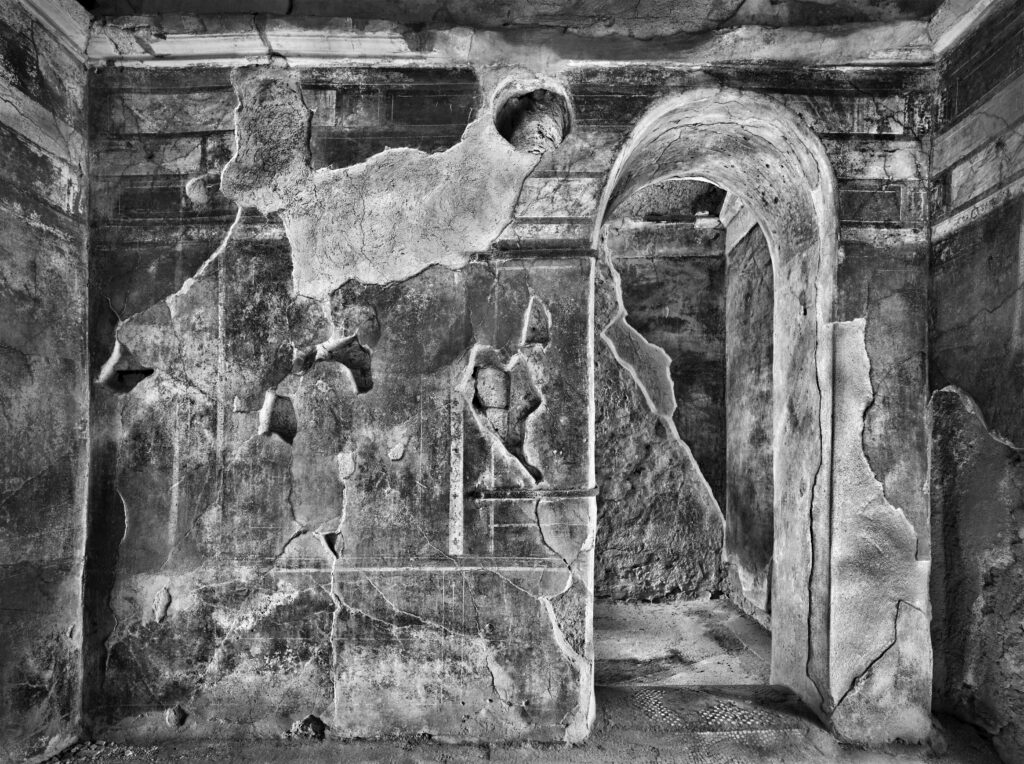
The most important archaeological site together with the Egyptian pyramids in the world. It was founded by the Oscis around the 9th century B.C. and later destroyed by the terrible eruption of Vesuvius in 79 A.D. The town was inhabited by the Opici, Oscis, Greeks, Etruscans, Samnites and Romans. With the Samnites it became a rich commercial town thanks to its flourishing harbour. Conquered by the Romans in 3rd century B.C. it achieved its maximum splendour for its extension and commercial growth by exporting oil and wine in the Mediterranean. Submerged and destroyed by the eruption of 79 A.D. the historical town, with its precious traces of the past, was brought to light together with Herculaneum in 1748, thanks to the archaeological excavations commissioned by Charles IIII of Bourbon. The se two discoveries gave a decisive impulse to the Grand Tour in the middle of the 18thcentury in Europe. Thanks to the conservation work of lava and ash, the ancient town has been entirely preserved in all its parts and areas (roads, buildings, houses, villas, shops, temples, theatres, thermal baths, gymnasiums).
