


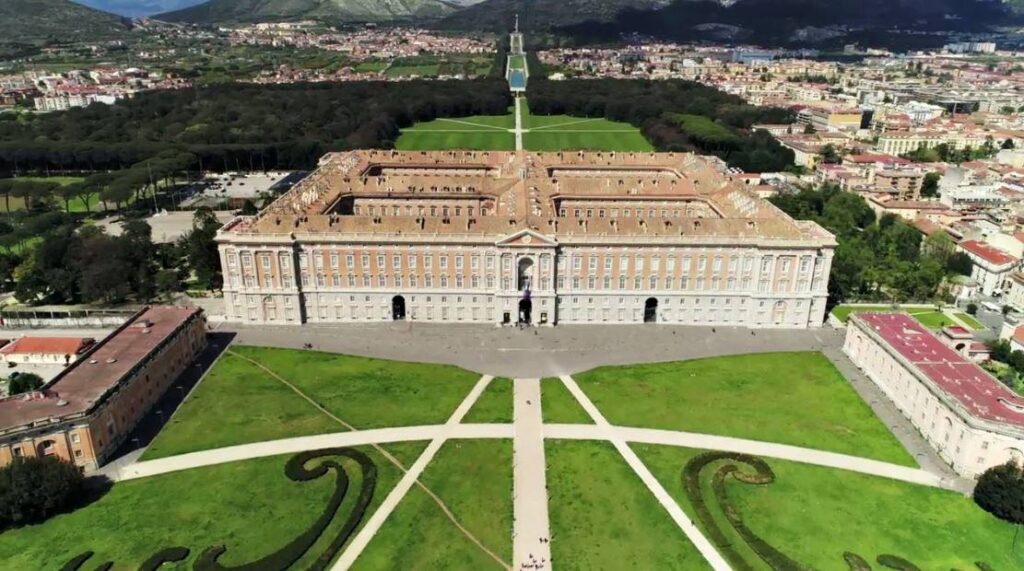
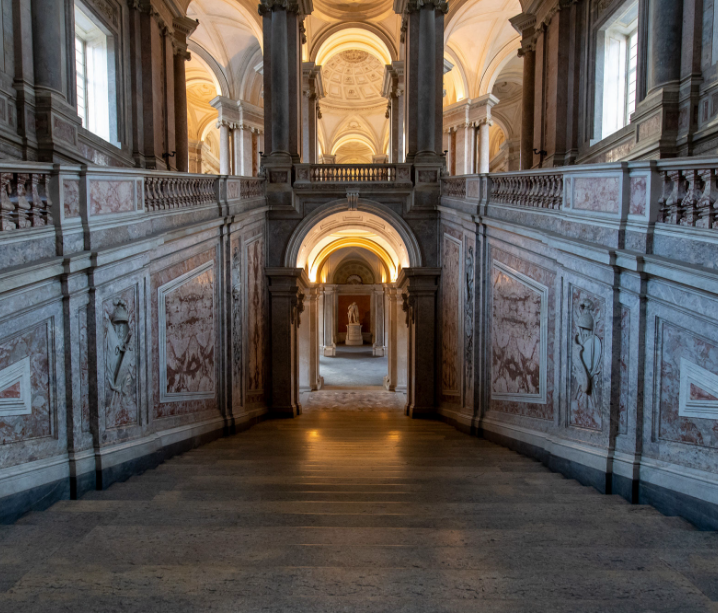
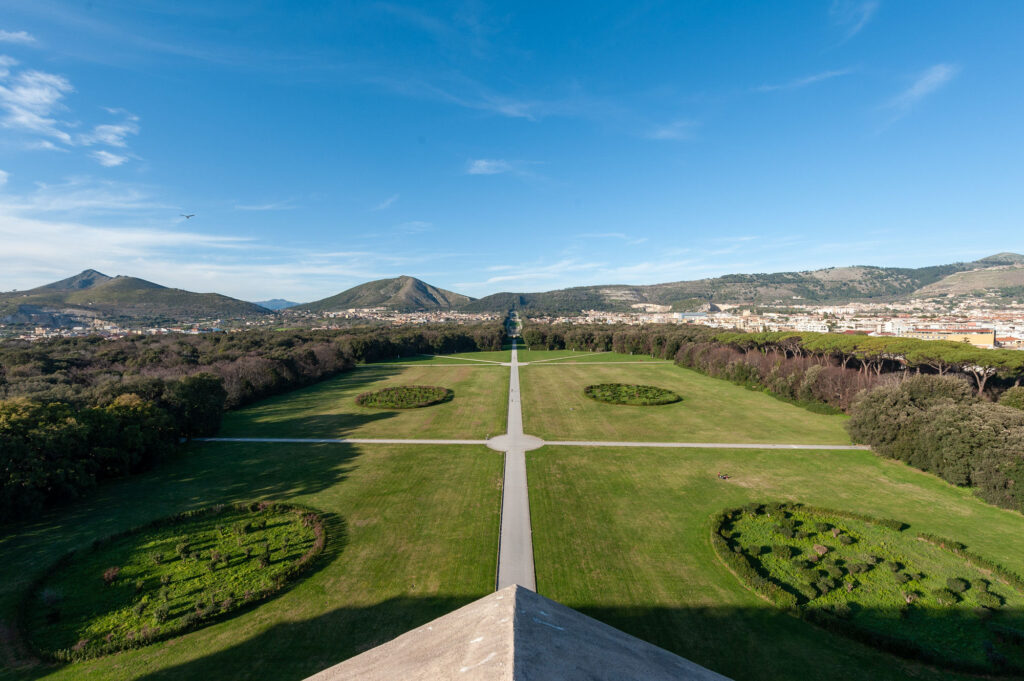
 Explore the Royal Palace



Stefano Cerio
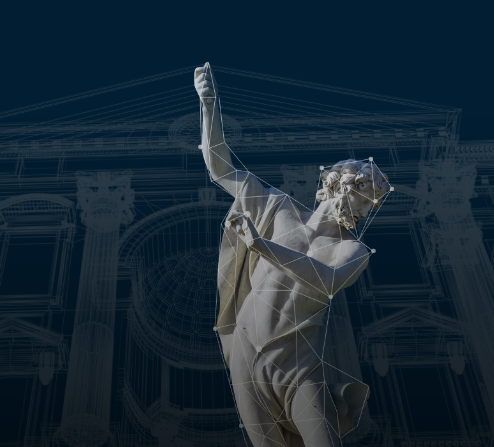
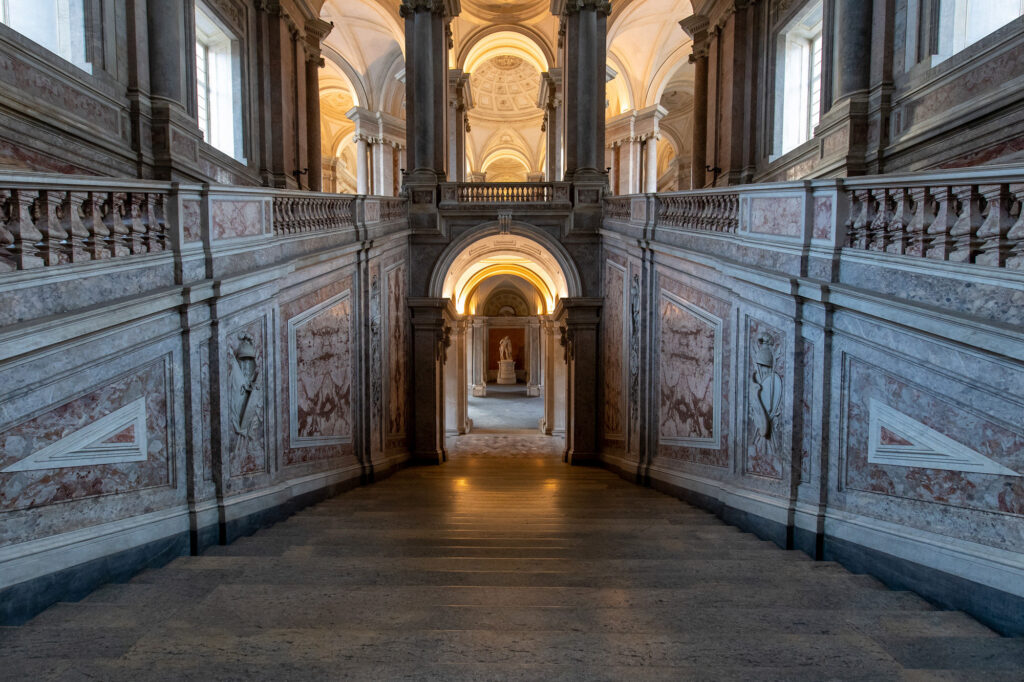
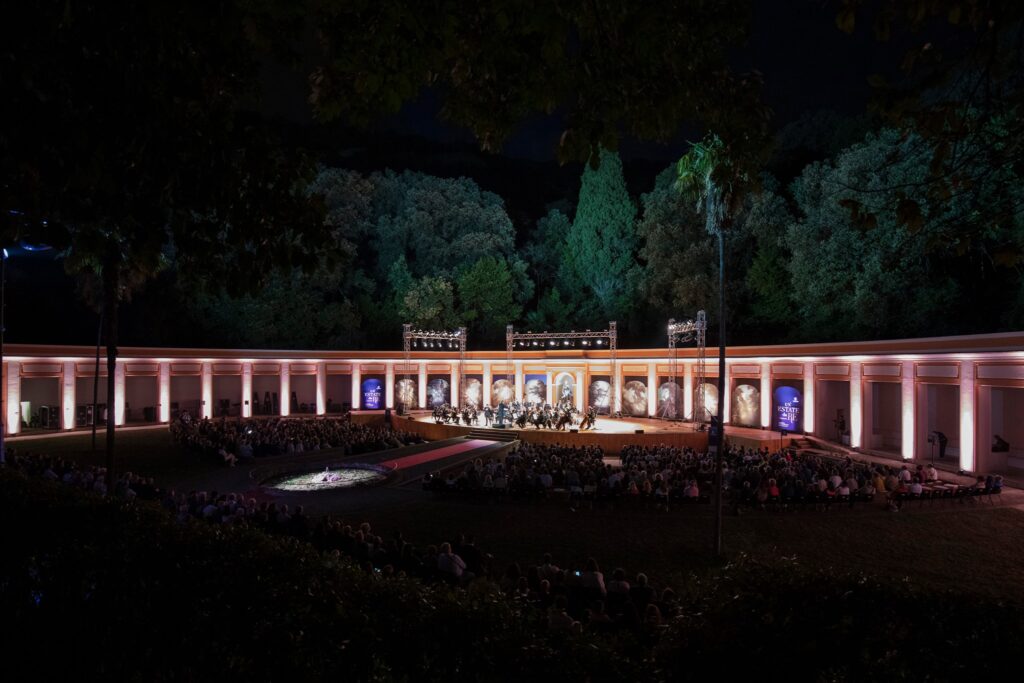
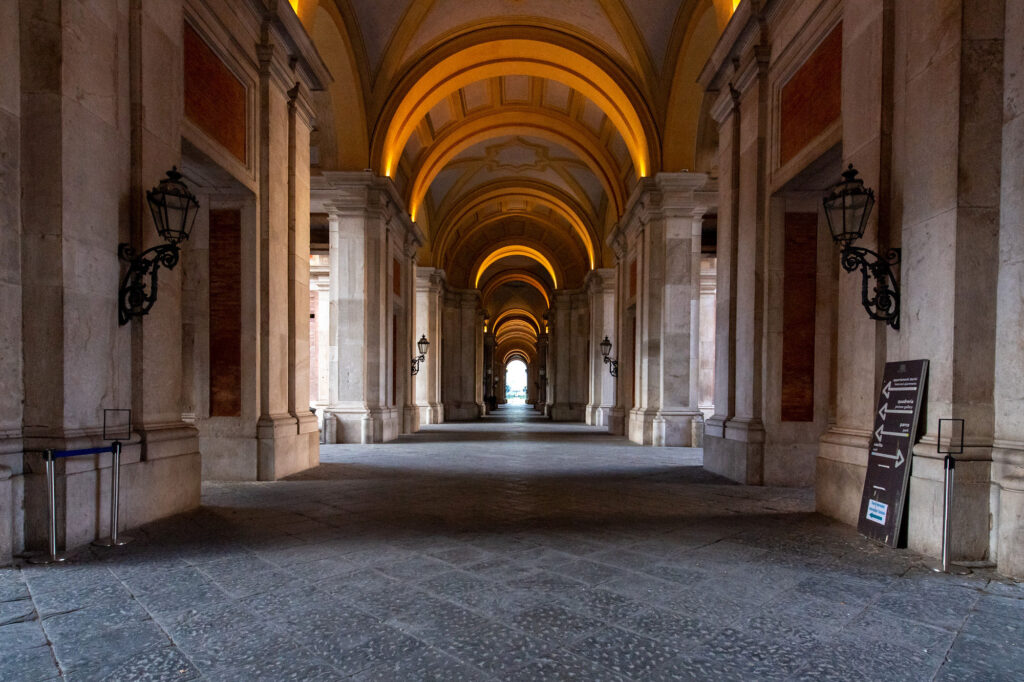
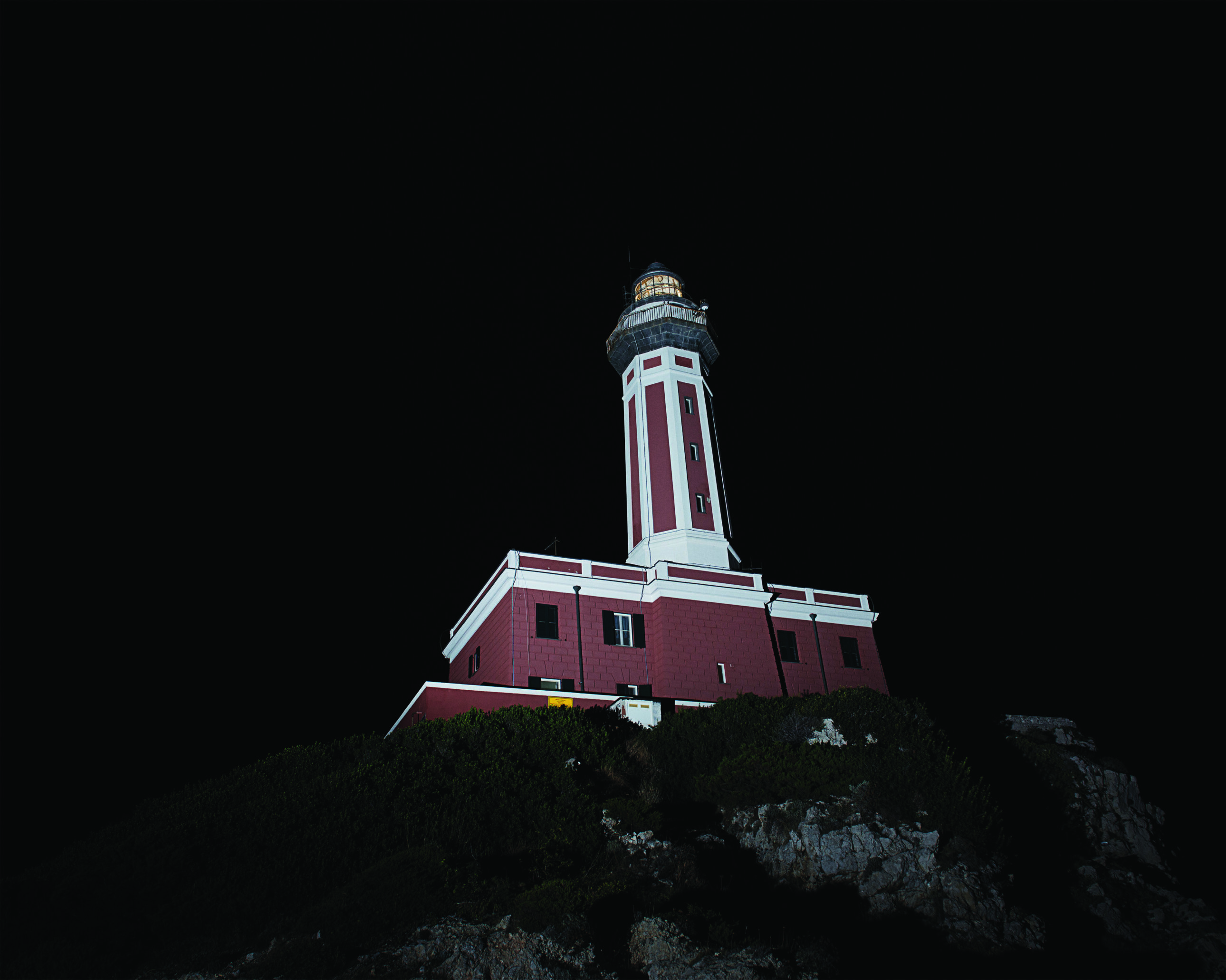
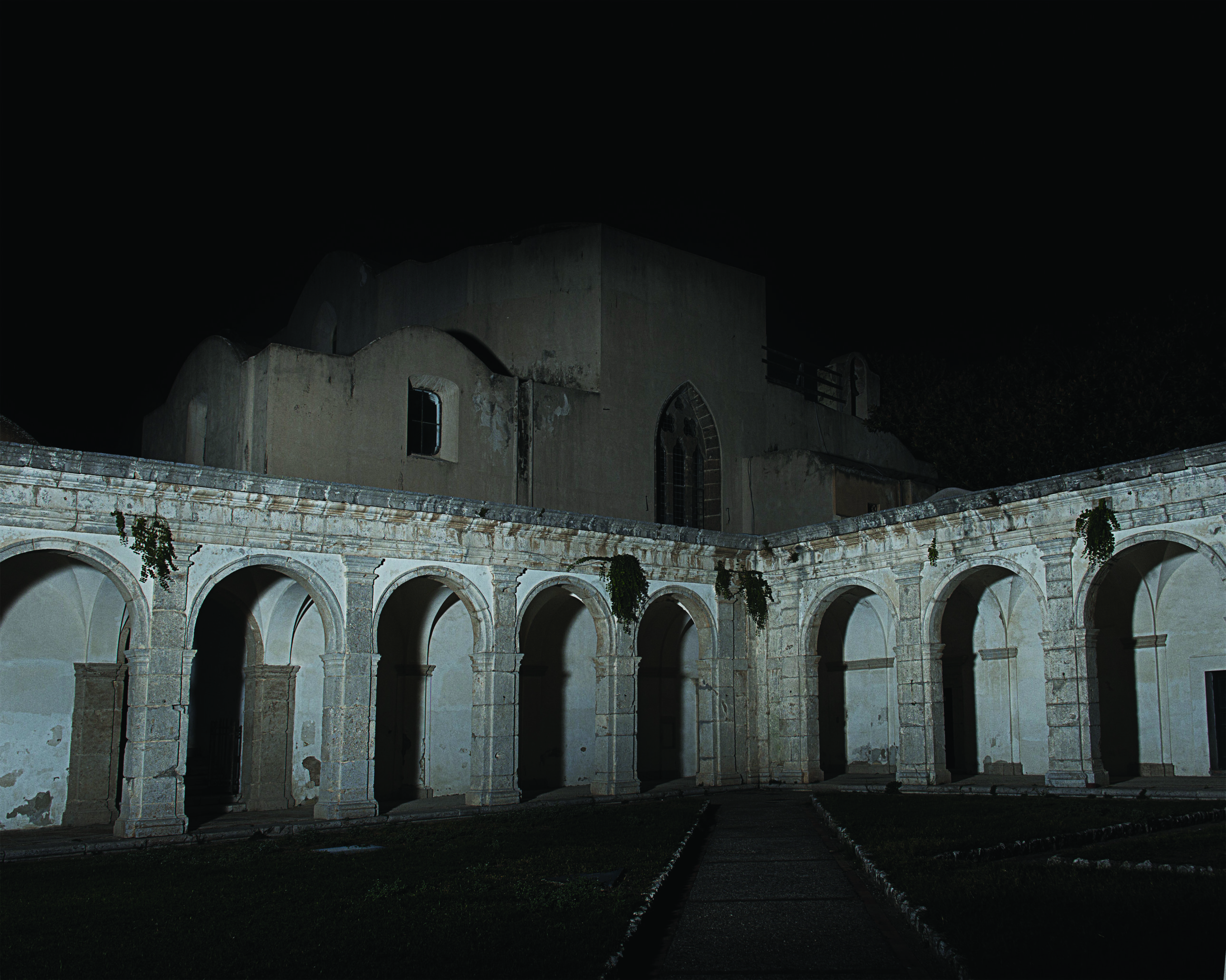
Stefano Cerio fixes his gaze over places turning them into night sceneries where the contrast between darkness and light creates a feeling of abstraction. Thus, the places appear as veiled in a sort of mysterious suspension of Space and Time.
Artist bio
Stefano Cerio was born in Rome in 1962 but his family is from Capri. At a very young age he started his career as a photographer working for the Espresso. Since 2001 he has been interested in research photography and video by choosing to narrate the country through generally crowded places of mass entertainment, when there is no trace of the human presence. His works portray spaces in their surreal essence when they are uninhabited, to become images that evoke the sphere of memory and desire. He exhibited at Diaframma of Milano, Recalcati Gallery of Turin, in 2004 his project “MachineMan” was exhibited at Lattuada Studio in Milan. In 2005 the City of Science of Naples dedicated a solo exhibition to him: “Codice Multiplo”. In 2008 he made for the Region of Piedmont an art installation for the exhibition “Le Porte del Mediterraneo” in Rivoli. In the same year he exhibited “Souvenirs” at Changing Role Gallery in Rome, in 2009 with the Superintendence of Naples he organized the exhibition “Sintetico Italiano” at the Charterhouse of San Giacomo in Capri with In 2010 he made two exhibitions at the Galerie Italienne of Paris and at the MADRE Museum of Naples in the group exhibition “O’Vero”. In 2011 he exhibited “WinterAquapark” at the Forma Foundation of Milano, the exhibition was accompained by “Aquapark” with the texts by Gabriel Bauret and Cristiana Perrella whose catalogue was published by Contrasto. In the same year he projected his video “Summer Aquapark” at the MAXXI Museum in Rome. He exhibited: in 2012 the series “Night Ski” at the Studio Trisorio of Naples, in 2013 the series “Chinese Fun” at Noire Contemporary Art in Turin and in 2014 “Cruise Ship” at the Mois de la Photo in Paris. In 2015 “Chinese Fun” became a book for Hatje Cantz and a new exhibition at the Foundation Volume in Rome. In 2017 Hatje Cantz published his new book “Night Games”. Among his solo exhibitions: “Amusement Places” in 2018 at the Pignatelli Museum of Photography. Among his recent works: “Aquila”, a short film presented in 2019 at The Pool Nyc Gallery of Milan, that describes the work by Cerio on inflatable game structures for children, located in natural spaces in the earthquake-affected areas of 2009 in Abruzzo. In the same year the project became the photographic exhibition “Constructions instables” at the Italian Cultural Center of Paris. In 2021 Stefano Cerio presented “Onna” a Special Project for MAXXI Museum in Rome. In 2025 with the town of Carrara he was among the winner of Strategy Photograpy competition 2025 with his project “The Redemption of Nature”, dedicated to Nature regeneration process after the wildfires in the Mediterranean areas.

 Travel notes
Charterhouse of San Giacomo - Capri
It is the most ancient monastery in Capri. Count Giacomo Arcucci, Queen Giovanna d’Angio’s secretery, founded it in 1371 as an ex-voto (for the birth of a male child) on the land he received from the Queen herself. It was built in late Roman style, it has a large late Renaissance cloister. Carthusian monks, protected by the queen, inhabited it thus becoming the seat of the Carthusian order. In the 19th century it became a military prison, after a hospital and finally an asylum for military prisoners and anarchists. It is currently the seat of the Diefenbach Museum founded in 1973 and dedicated to the visionary and symbolist German artist who lived in Capri from 1899 to 1913. The Charterhouse recovery started in 2000.
Capri lighthouse
Punta Carena (once called Punta di Limmo, whose name de rives from “Limen” that means border) is the extreme south west tip of the island of Capri. This lighthouse is an edge lighthouse whose construction started in 1862 after the fall of the Bourbons on a project of its engineers and it is one of the most important lighthouses in the Tyrrhenian Sea and the second in Italy for operational intensity after Genoa lighthouse.
