


 Explore the Royal Palace




Antonio Biasiucci
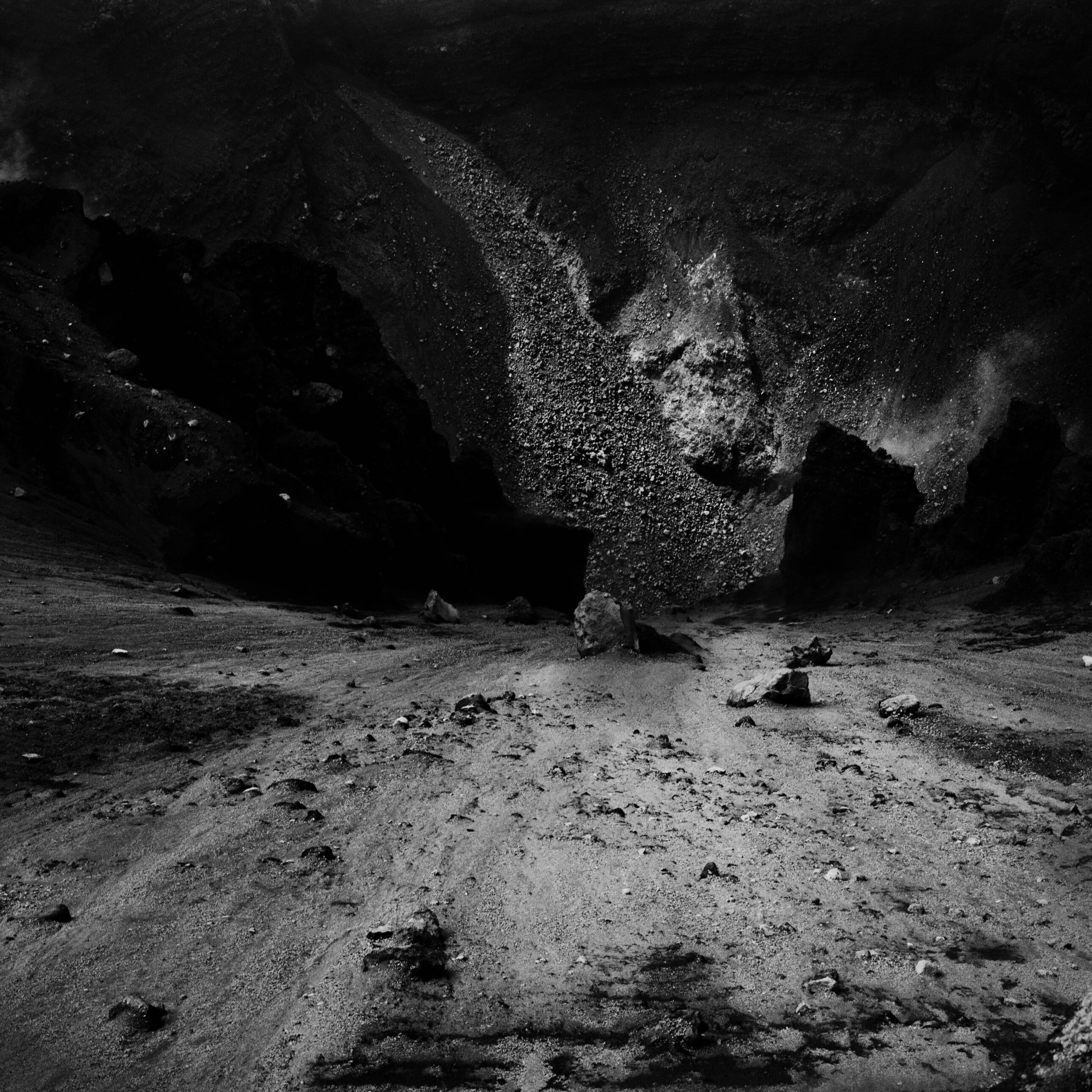
Antonio Biasiucci tells his own journey of knowledge of places by capturing the essence of the Matter, the traces of time and memory that characterize landscape and make it alive. It is in his attention of the hidden soul of places behind the appearance that his Landscape-Matter reveals itself.
Artist bio
Antonio Biasiucci was born in Dragoni (Caserta) in 1961. His research is focused on the essential elements of life: matter, body, food, nature, rite and transformation. In 1980 he moved to Naples where he started a work on the spaces of the outskirts and at the same time a research on individual memory, shooting his hometown rites, people and spaces. In 1984 he began a collaboration with the Vesuvian Observatory, working widely on the Italian living volcanos. In 1987 he met Antonio Neiwiller, actor and dramatist and theatre director, their collaboration stopped in 1993, at Neiwiller’s death. Since the beginning his research has been rooted on Southern culture themes and it has recently turned into a journey within the primordial elements of existence. In 2012 he founded “Lab, for an irregular laboratory” a training project for young photographers to transmit them a constant method of study and critical analysis of their own work. He has received important prizes, among them in 1992 at Arles he received the “European Kodak Panorama” prize; in 2005 the “Kraszna/ Krausz Photography Book Awards”, for the publishing of the volume “Res, Lo stato delle cose” (2004) and, in the same year, the “Bastianelli” prize. In 2021 he received “Amato Lamberti” prize and “Gli Asini” prize. He took part to a great number of personal and group exhibitions, festivals, national and international reviews. Antonio Biasiucci has also worked together with several publishing projects, among them, the ones for the publishing house “L’Ancora del Mediterraneo”, in Naples (from 2000 to 2004) and has taken part to important cultural events with social purposes. Currently he teaches “Photography as an artistic language” at the Academy of Fine Arts in Naples and at the Iulm in Milan. Biasiucci in 2015 was one of the artists invited at Venice Biennale for Italy Pavillion. Many of his works are part of his permanent collection in museums and institutions in Italy and abroad such as: National Institute for the Graphic Design, Rome; The MAXXI Museum, Rome; PAN Palace of the Arts of Naples,; The MADRE Art Contemporary Museum of Donna Regina, Naples; Naples Metro; Civic Gallery in Modena; Villa Ghirlanda Photography Contemporary Museum, Cinisello Balsamo (Milan); Sandretto Re Rebaudengo Foundation for contemporary art, Guarene (Cuneo); The Banco di Napoli Foundation; Banca Unicredit Collection, Bologna; Bibliothèque nationale de France, Paris; Maison Européenne de la Photographie, Paris; Château d’Eau, Toulouse; Musée de l’Elysée, Lausanne; Centre de la Photographie, Geneve; Banca del Gottardo Foundation, Lugano; Centre Méditerranéen de la Photographie, Bastia; Galerie Freihausgasse, Villach (Austria); Departamento de investigación y documentación de la Cultura Audiovisual, Puebla (Messico); MART museum, Rovereto. Pio Monte Della Misericordia, Naples; Modena Foundation for Photography, Modena; Farnesina, The Ministry of Foreign Affairs, Rome.

 Travel notes
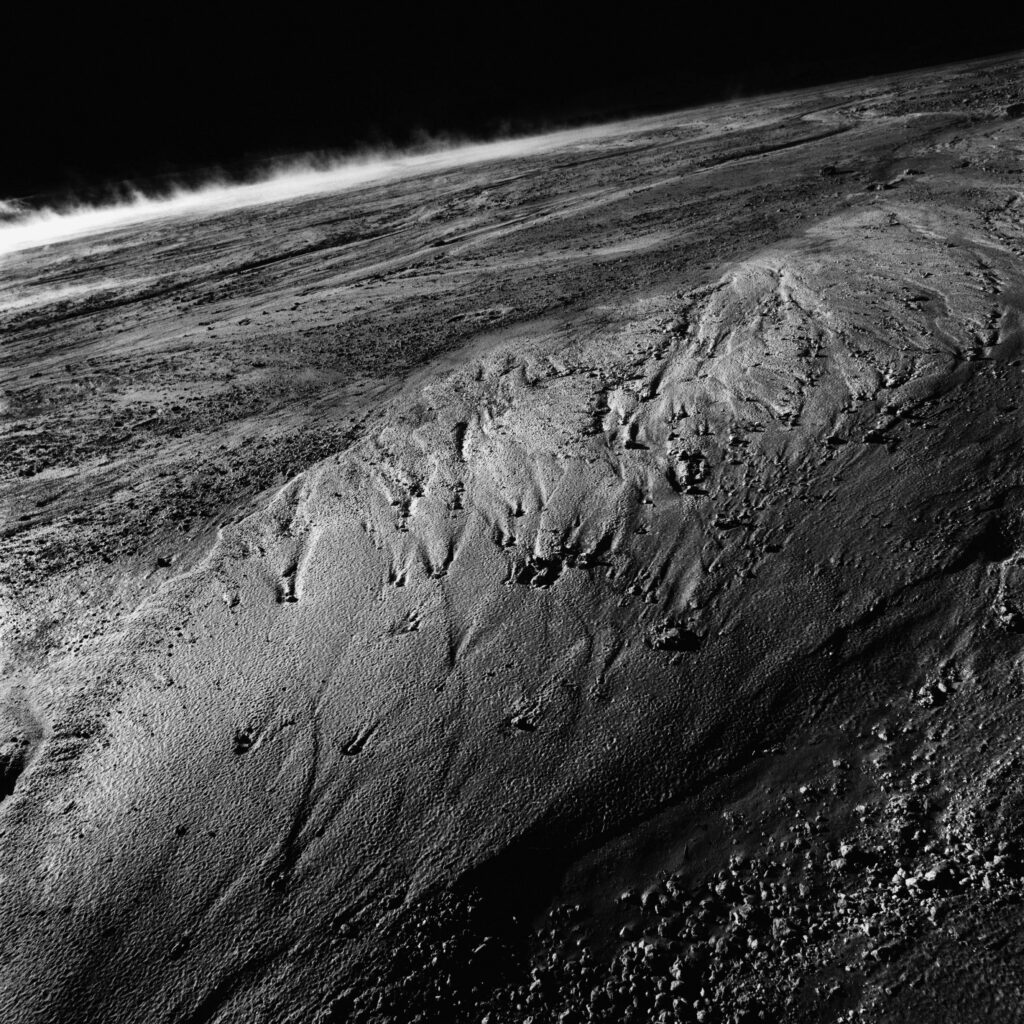
Phlegrean fields Solfatara, Pozzuoli
Solfatara Mount, named “Forum Vulcani” by Strabone (the “god of fire” by Ephestum,) is the most famous and still active volcano in the Phlegraean Fields, a volcanic area North of Naples composed of almost 40 volcanoes. It was formed 3700-3900 years ago and has always been described as the entrance into the underworld. Solfatara is a sort of Neapolitan geyser, famous for steaming fumaroles, that are openings in the crust that continuously emit hot strongly sulphurous steam and gases. It constitutes an area for alum, Ischia dust, red Pozzuoli, “bianchetto” used as white clay stucco, yellow soil and sulphur mining activity while its vapours, mud pools and sulphur waters were also used for their medicinal properties. Bradyseism of the last years has partly modified its aspect without altering its attraction. In the 18th and 19th centuries Solfatara was one of the “must see” of the Grand Tour.
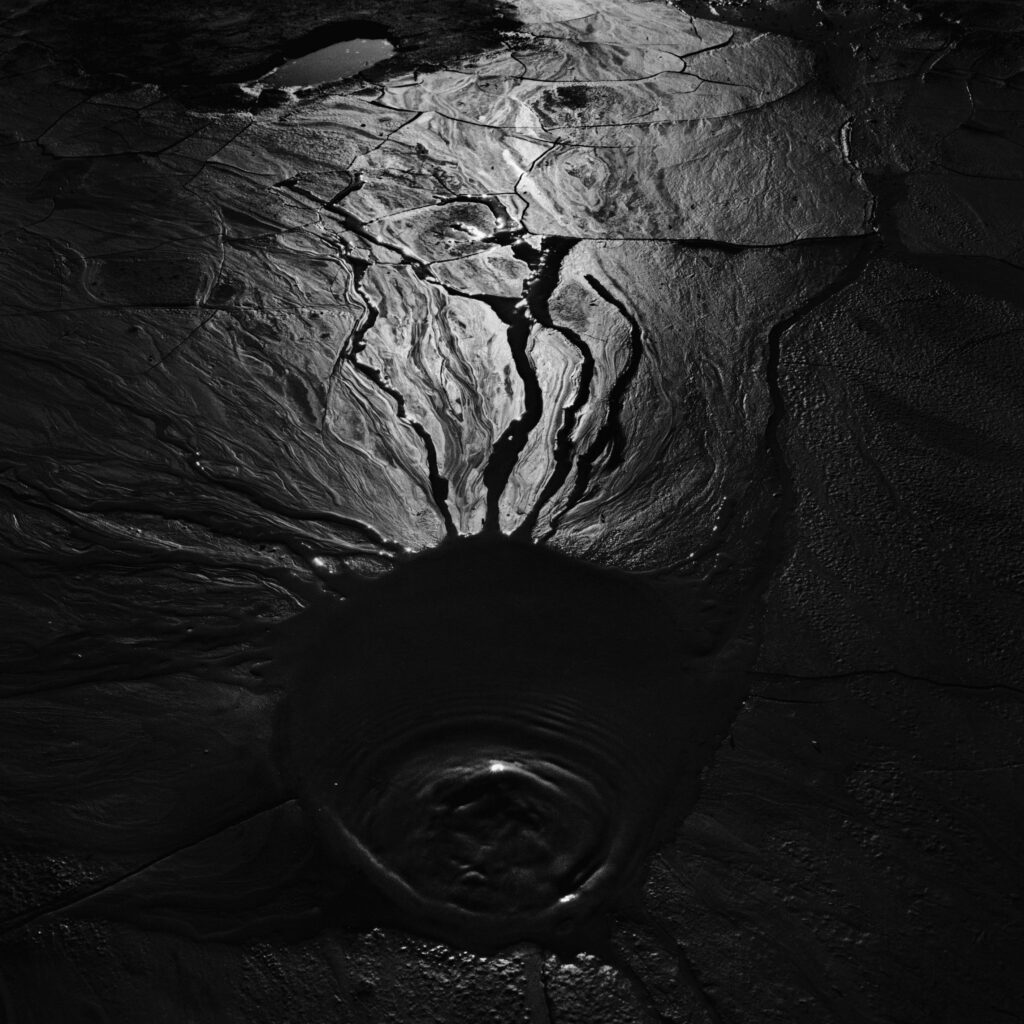
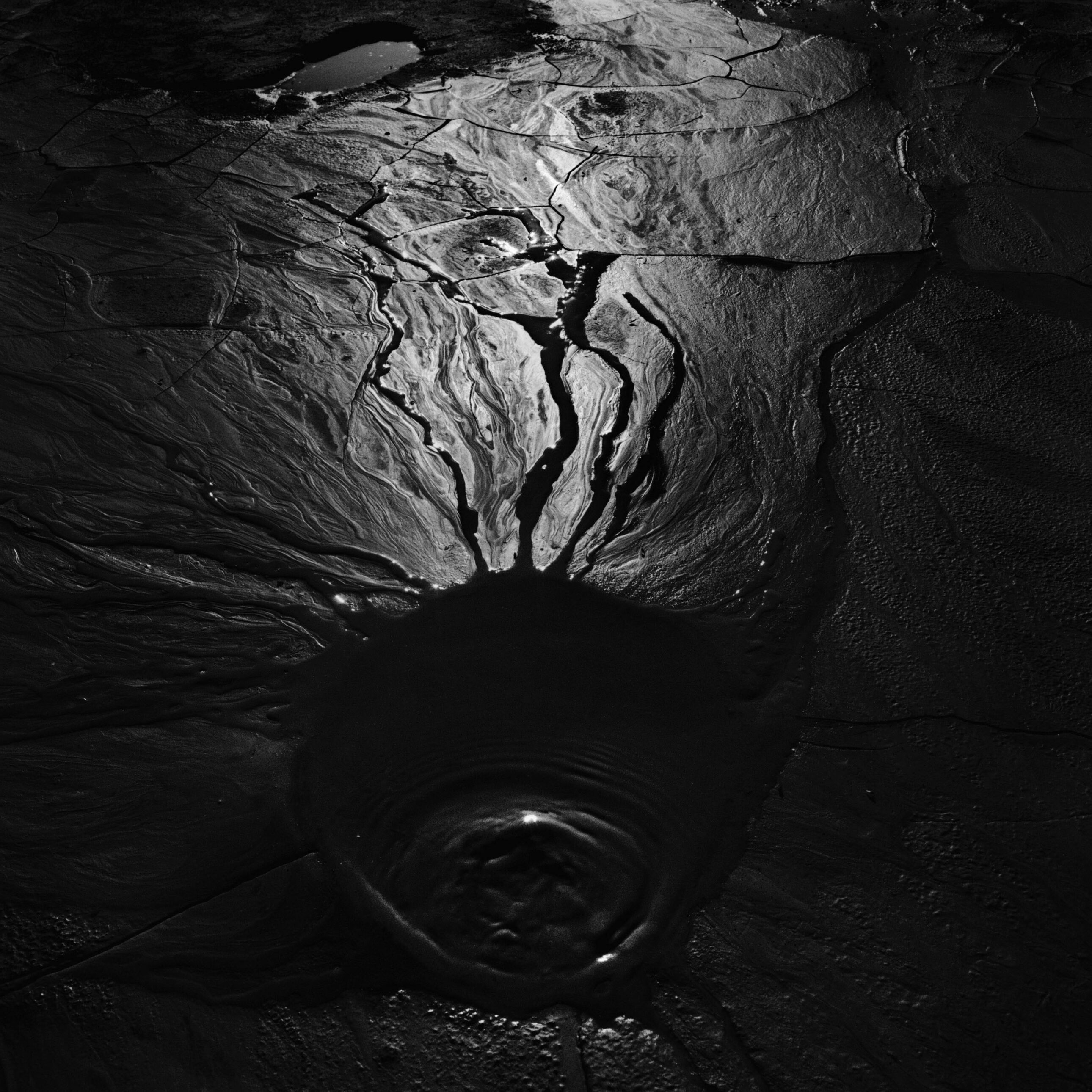
Bubbles of the Malvizza, Montecalvo Irpino – Avellino
The name Bubbles of Malvizza (“Bolledellamerla” from the Irpinian dialect) is a particular natural phenomenon that occurs the central part of the Miscano Valley. The valley, formed by the Miscano River is located on the Campano Appenines between the provinces of Avellino and Benevento. The Malvizza is a burren expanse in the north east of the Appenines and it was crossed by sheep-track of wool routes that until the first half part of the 1900s allowed the sheperds transhumance up to Apulia. This ancient district was conquered by the Samnites and then by the Romans who built the Via Appia-Traiana from Rome up to Brindisi. The bubbles of Malvizza constitutes the most extensive system of small mud volcanoes on the Southern Appennines. This phenomenon is due to the presence in the volcanic subsoil of deep deposits of gaseous hydrocarbons like methane.
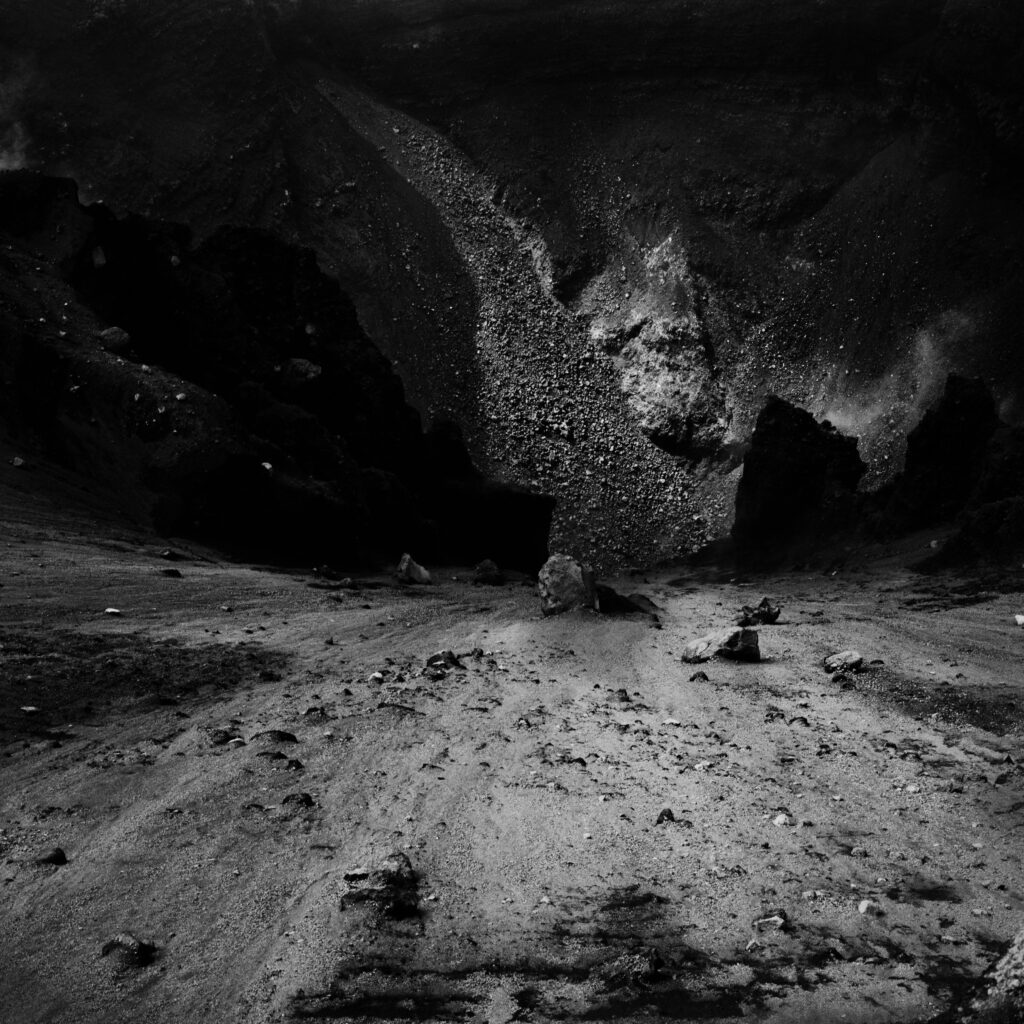
Vesuvius - Naples
Vesuvius is the holy mount for the Neapolitans consecrated to the hero Hercules, who inspired the name of the ancient town of Herculaneum, situated at its foot. It is a “grey volcano”, for the colour of the material that it gives off (gases and ashes) when it is in erupting activity. Vesuvius is an active volcano even if its last eruption dates back to 1944. When it erupts, it can release in the air vast quantities of ashes and lapilluses, small flaming stones able to reach longer. It was famous for the eruption of 79 A.D. when, after a very long period of inactivity, it destroyed the cities of Pompeii, Herculaneum, Stabia and Oplontis. The volcano unpredictable eruption took the inhabitants by surprise since they believed the volcano was a simple mount covered by gardens and vineyards. Today Vesuvius is one of the most dangerous volcanoes in the world.
