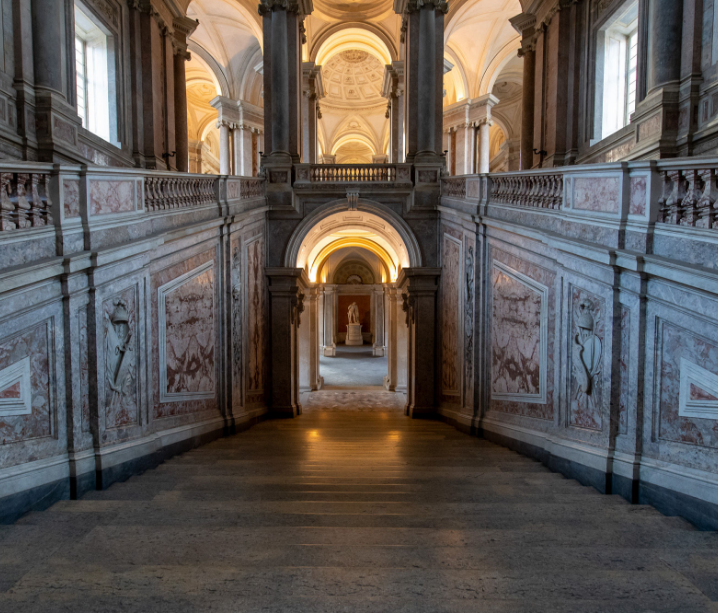
 Explore the Royal Palace

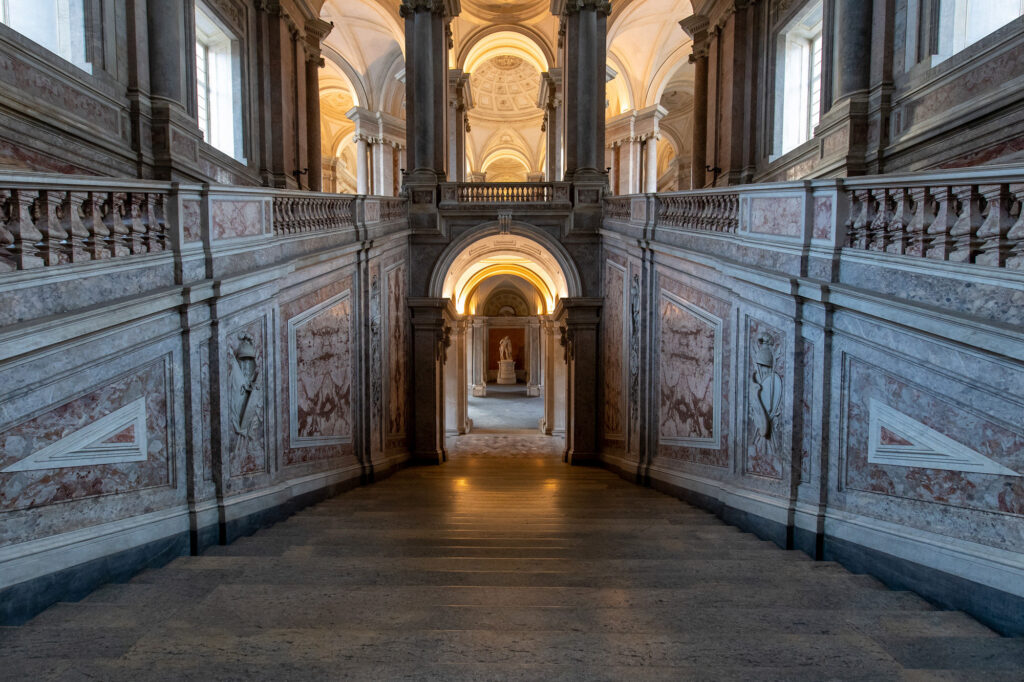
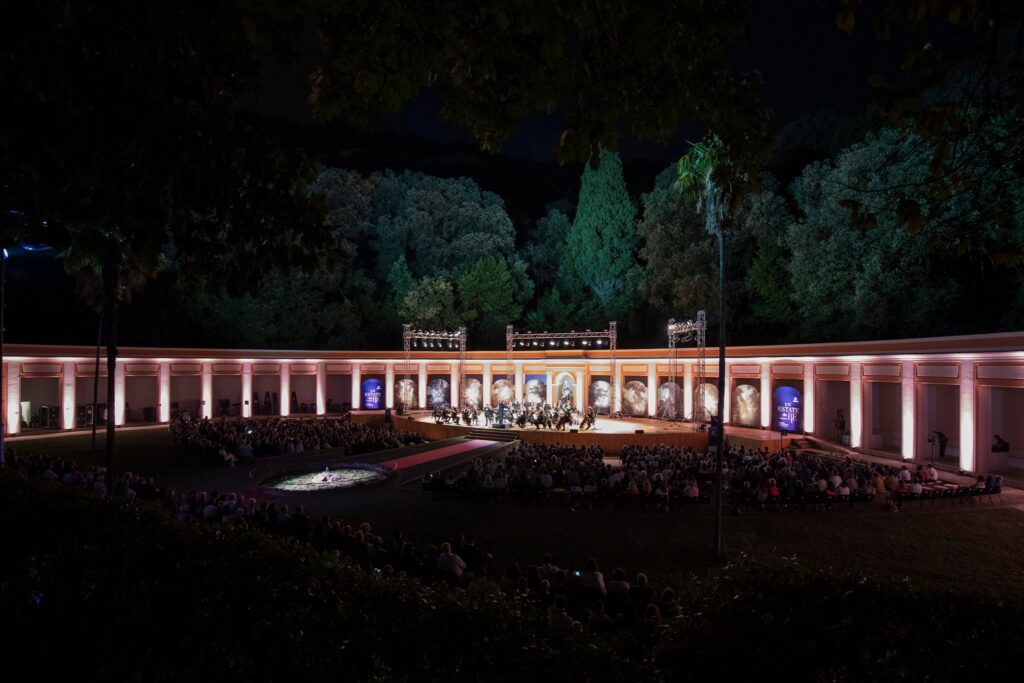
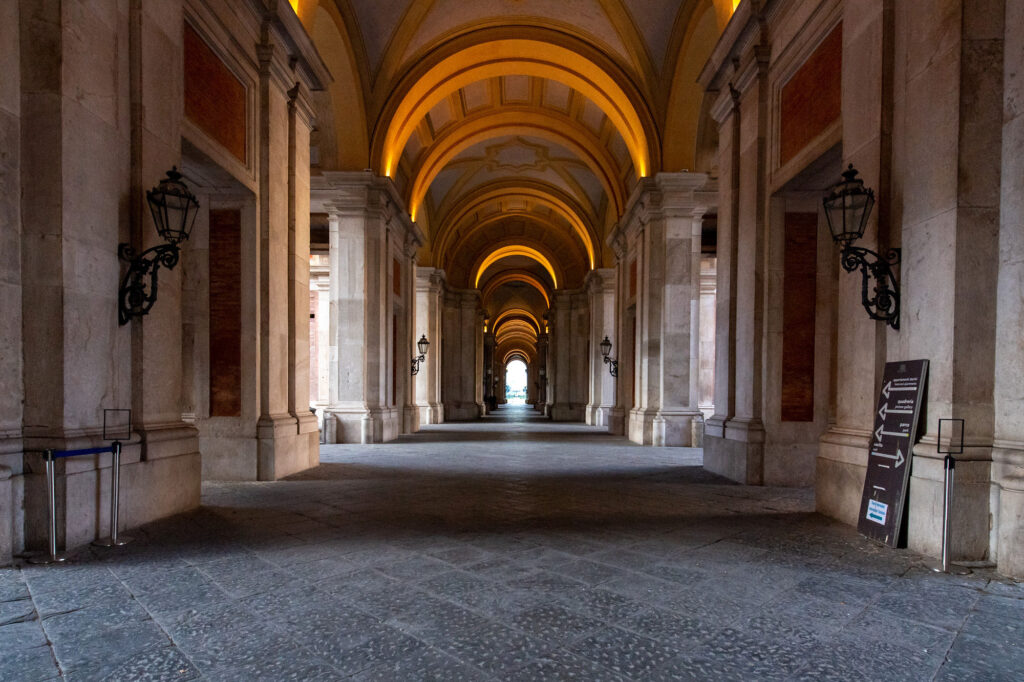



18th-Century Royal Palace at Caserta with the Park, the Aqueduct of Vanvitelli, and the San Leucio Complex


Discover UNESCO in the world
UNESCO Heritage
World Heritage is one of the main international instruments for the protection of cultural and natural heritage of Outstanding Universal Value. Established by UNESCO through the 1972 Convention concerning the Protection of the World Cultural and Natural Heritage, the system recognises and protects places whose significance transcends national boundaries and belongs to all humanity. Intangible cultural heritage, recognised through the 2003 Convention for the Safeguarding of the Intangible Cultural Heritage, includes traditions, expressions, knowledge and practices transmitted over time. The Royal Palace at Caserta has been part of this global network since 1997.
Tangible and Intangible Heritage
UNESCO protects two major forms of heritage. Tangible heritage includes the properties inscribed on the World Heritage List: monuments, historic centres, cultural landscapes, natural sites and physical places of Outstanding Universal Value. Intangible cultural heritage, on the other hand, concerns practices, representations, expressions, knowledge and skills transmitted from generation to generation: oral traditions, performing arts, rituals, traditional craftsmanship and festive events. Today, the World Heritage List includes 1,248 properties, while UNESCO’s Lists of Intangible Cultural Heritage and the Register of Good Safeguarding Practices include 849 elements. The World Heritage Convention has 196 States Parties, with 170 States Parties having properties inscribed on the List.
The 1972 Convention
Adopted in Paris in 1972 and entering into force in 1975, the Convention is the main international agreement for the protection of cultural and natural heritage of Outstanding Universal Value. It established a global system of protection based on conservation, cooperation and shared responsibility, recognising cultural and natural heritage as part of the common heritage of humankind. The Convention introduced an innovative concept for its time: certain places, because of their historical, artistic or environmental importance, do not belong only to the country in which they are located, but to humanity as a whole. Their protection therefore becomes a shared responsibility at the global level. The States Parties to the Convention commit to identifying and protecting the heritage located within their territory, conserving it and transmitting it to future generations, and cooperating with other countries to ensure its protection. One of the main tools introduced by the Convention is the World Heritage List, which includes properties recognised for their Outstanding Universal Value. Alongside it is the List of World Heritage in Danger, which includes properties threatened by armed conflict, natural disasters or deterioration. The Convention also provides for forms of international cooperation, including technical and financial assistance to countries in need, through the World Heritage Fund.
Outstanding Universal Value
Every inscribed property possesses an Outstanding Universal Value — or OUV: a cultural and/or natural significance so exceptional that it transcends national boundaries and is of common importance for present and future generations of all humanity. To be recognised, a property must meet at least one of the ten selection criteria, satisfy the relevant conditions of integrity and authenticity, and have adequate protection and management systems in place.
UNESCO Criteria
Cultural criteria
- To represent a masterpiece of human creative genius.
- To exhibit an important interchange of human values.
- To bear unique or exceptional testimony to a cultural tradition or civilisation.
- To be an outstanding example of a type of building, architectural or technological ensemble, or landscape illustrating significant stages in human history.
- To be an outstanding example of traditional human settlement, land-use or sea-use.
- To be directly associated with events, living traditions, ideas, beliefs, or artistic and literary works of outstanding universal significance.
Natural criteria
- To contain superlative natural phenomena or areas of exceptional natural beauty.
- To represent major stages of Earth’s history.
- To represent significant ongoing ecological and biological processes.
- To contain important natural habitats for the conservation of biodiversity.
The Committee and the Advisory Bodies
The World Heritage Committee — made up of representatives from 21 States Parties elected on a rotating basis — meets every year to decide on new inscriptions and to monitor the state of conservation of World Heritage properties. The Secretariat is provided by the UNESCO World Heritage Centre, based in Paris. Three Advisory Bodies support the work of the Committee: ICOMOS for cultural properties, IUCN for natural properties, and ICCROM for conservation training and restoration.
Italy: the Country with the Highest Number of World Heritage Properties
Italy is the country with the highest number of World Heritage properties: 61, ahead of China, Germany, France and Spain. Italy ratified the Convention in 1978 and obtained its first inscription in 1979 with the Rock Drawings in Valcamonica. Among the most recent inscriptions are Via Appia. Regina Viarum in 2024 and Funerary Tradition in the Prehistory of Sardinia – The domus de janas in 2025.
UNESCO Resources and Networks
UNESCO provides financial, technical and training resources to support the protection of cultural and natural heritage around the world. Through the World Heritage Fund, it finances conservation and emergency interventions. It also relies on international networks such as ICOMOS, IUCN and ICCROM for evaluation, research and training. In addition, UNESCO coordinates global programmes such as Biosphere Reserves, UNESCO Global Geoparks and the UNESCO Creative Cities Network. Together, these tools create a global cooperation network to protect, preserve and promote heritage.
Resources and Network




The site
Inscribed on the World Heritage List since 1997
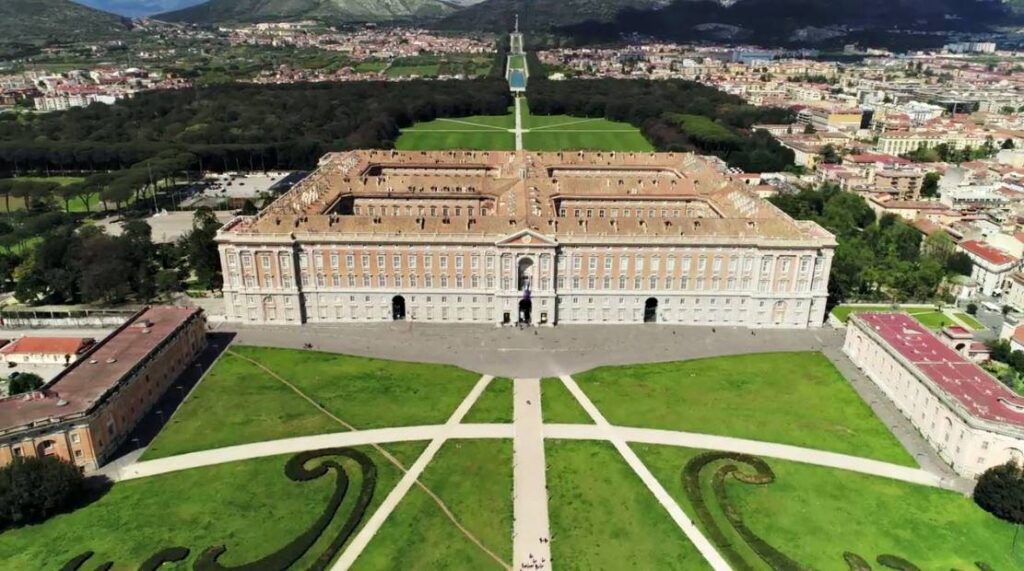
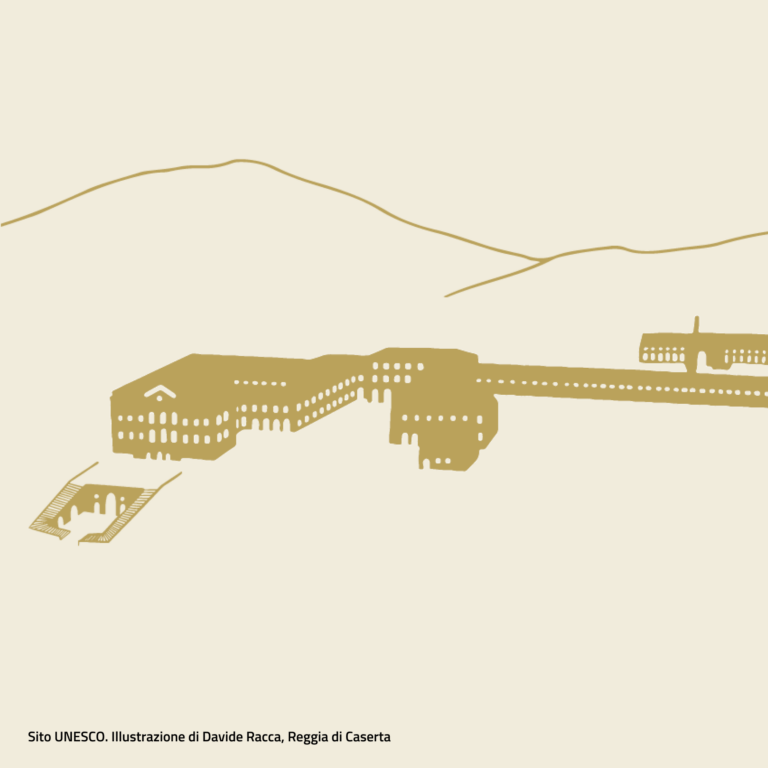
The complex, which includes the Royal Palace at Caserta with its Park, the English Garden, the Bosco di San Silvestro, the Aqueduct Carolino and the Belvedere of San Leucio, was inscribed on the UNESCO World Heritage List in 1997. The recognition was granted because the property represents an important historical and cultural landmark, as well as a significant reference point for the history, identity, economy and society of the local area.
The Official Name and the Four Criteria
The official name of the inscription is “18th-Century Royal Palace at Caserta with the Park, the Aqueduct of Vanvitelli, and the San Leucio Complex.” The property was recognised for its Outstanding Universal Value (OUV) under four of the ten UNESCO World Heritage criteria: criteria (i), (ii), (iii) and (iv).
Criterion 1
A unique creation of the Enlightenment spirit, capable of producing buildings of great architectural value harmoniously integrated into the natural landscape.
Criterion 2
An outstanding testimony to the interchange of human values — an ambitious project for a new city, bringing together buildings, gardens, roads and landscape according to an innovative concept of planning, unified by the Carolino Aqueduct.
Criterion 3
An outstanding example of Bourbon urban planning, based on the Vitruvian principles of strength, functionality and beauty, and consistent with Neoclassical culture.
Criterion 4
The outstanding value of the industrial complex of Belvedere, planned to produce silk, derives from the idealistic principles underlying its original conception and management.
Site management
The Royal Palace of Caserta is the coordinating authority for the World Heritage property. It manages the Vanvitellian Complex and the Carolino Aqueduct, while the Belvedere of San Leucio is managed by the Municipality of Caserta.
The coordinating authority is responsible for the protection and management of the property. It coordinates conservation, restoration and public access, ensuring respect for the property’s Outstanding Universal Value (OUV). It also works with local and national institutions and updates the Management Plan.
In 2010, the first Memorandum of Understanding was signed to establish a Steering Committee, whose purpose is to define shared strategies to preserve the integrity and authenticity of the property, while balancing heritage protection with the sustainable development of the local area.
The agreement currently in force was renewed on 25 March 2025. The members of the Steering Committee are the Royal Palace of Caserta Museum, the Superintendency of Archaeology, Fine Arts and Landscape for the Provinces of Caserta and Benevento, and the Municipality of Caserta.

Download the Management Plan and UNESCO Periodic Reports
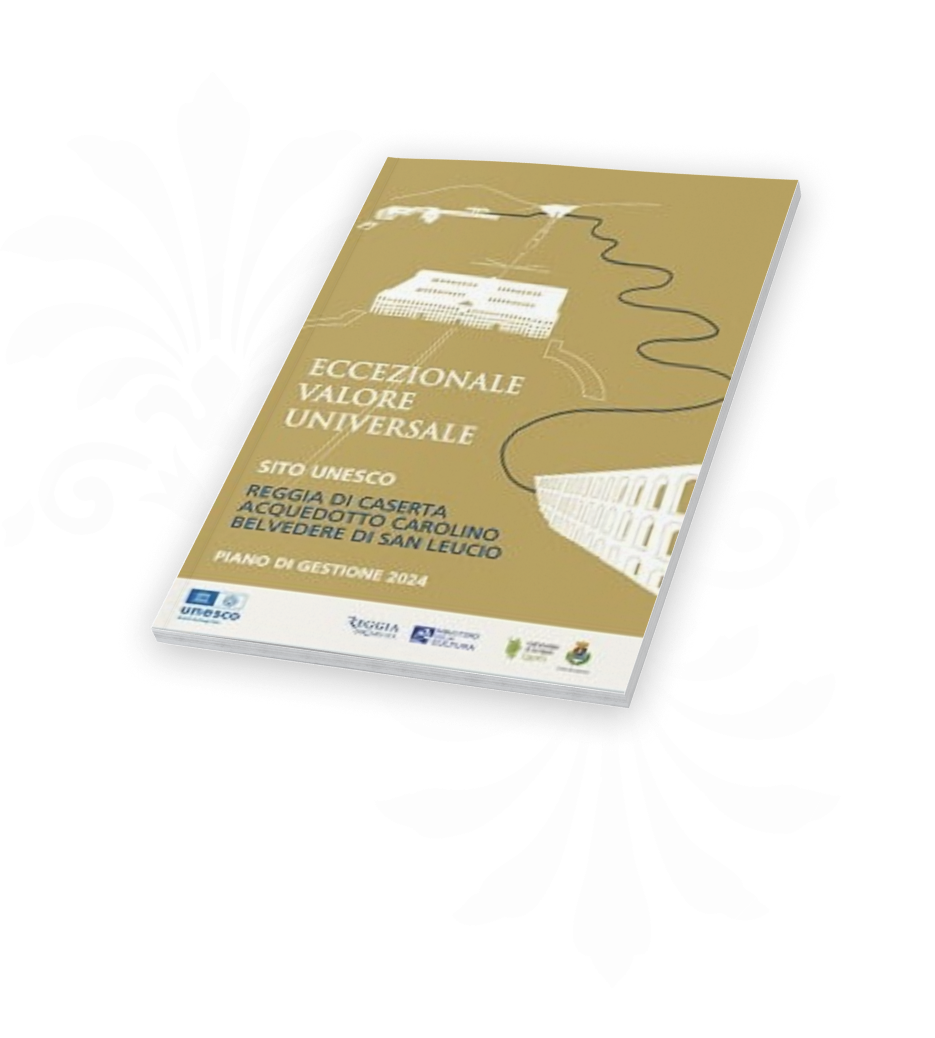
The Management Plan is the strategic document that defines actions and objectives to ensure that the World Heritage property maintains its Outstanding Universal Value (OUV). UNESCO Periodic Reports are a monitoring tool used to assess the state of conservation of properties inscribed on the World Heritage List. Their purpose is to verify over time whether World Heritage properties continue to maintain their Outstanding Universal Value and whether the protection and management measures in place are effective.
Management Plan and Periodic Reporting
The perimeter
The site and its territory
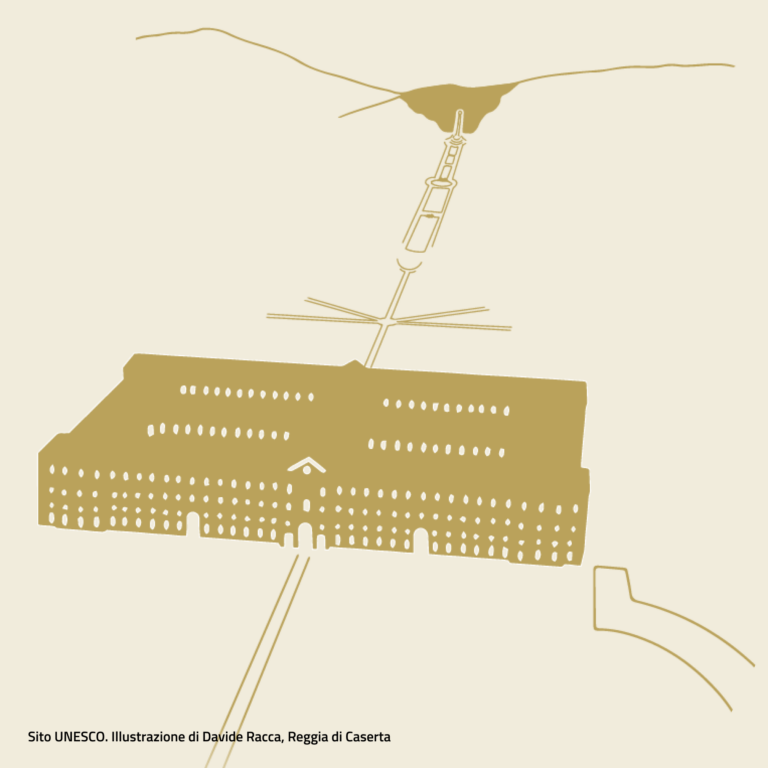
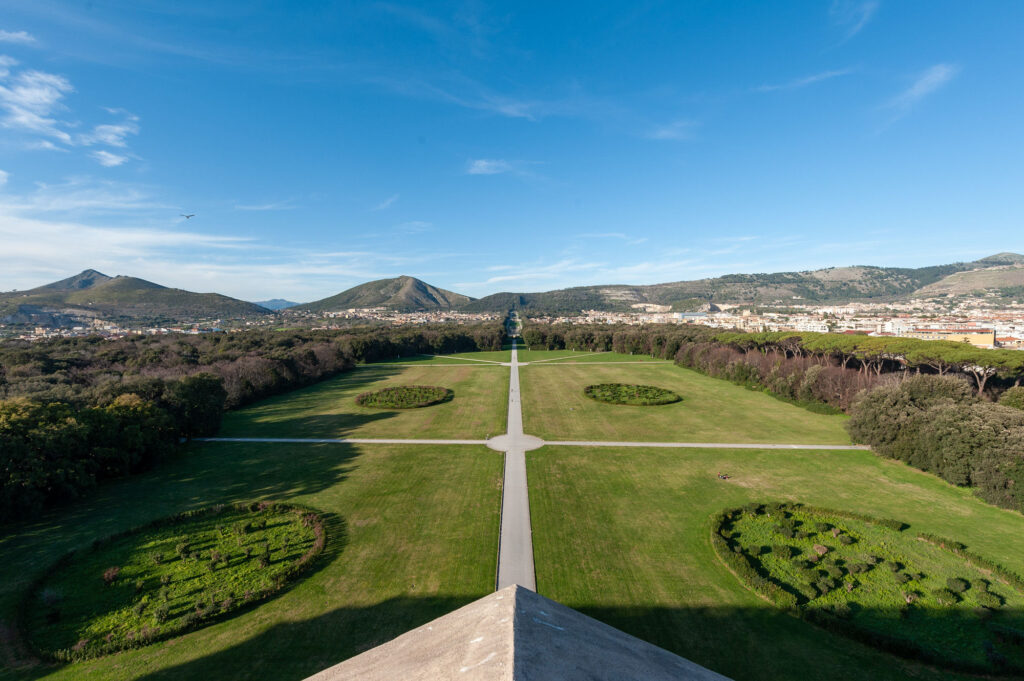
The Royal Palace and the Royal Park
The Belvedere of San Leucio